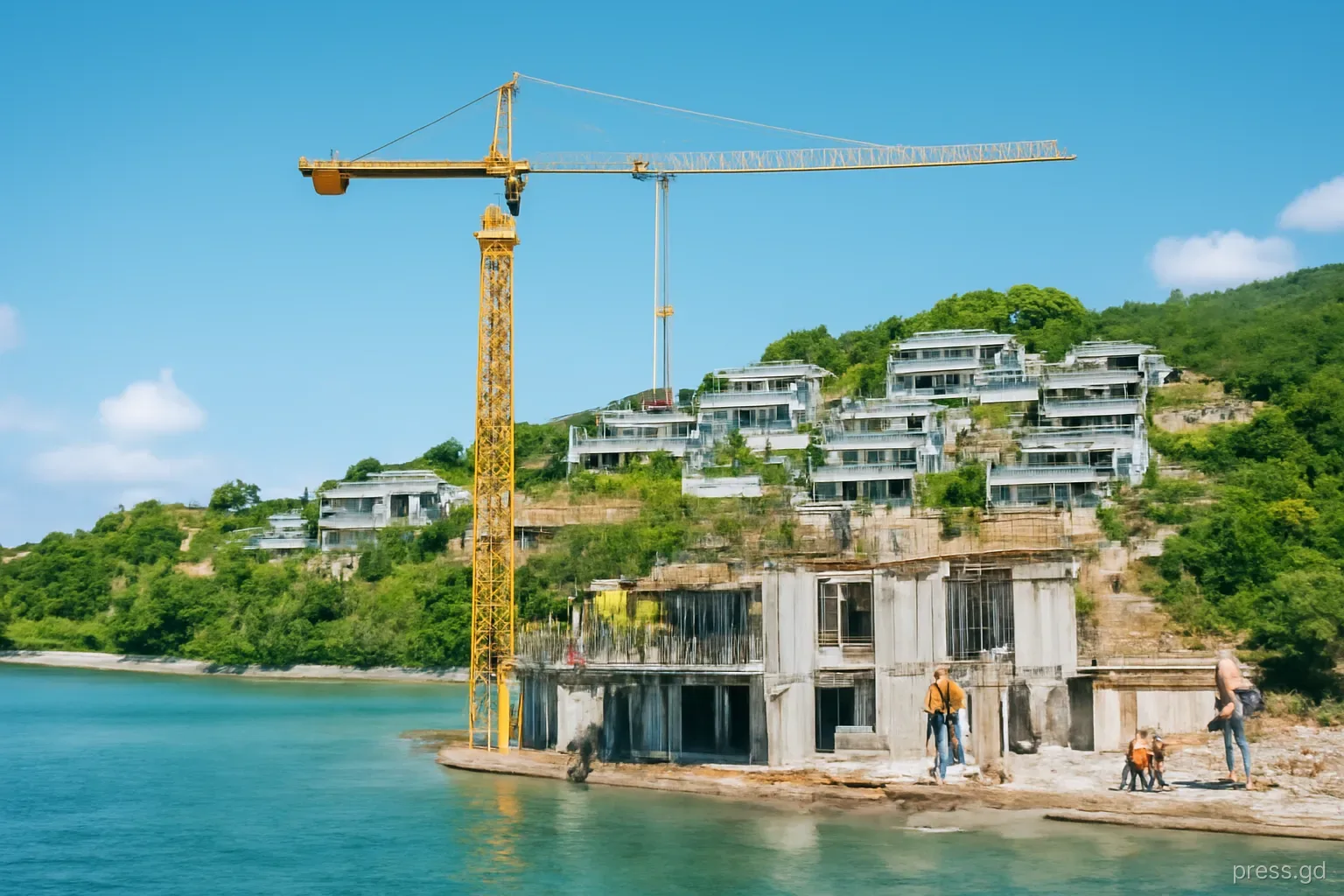
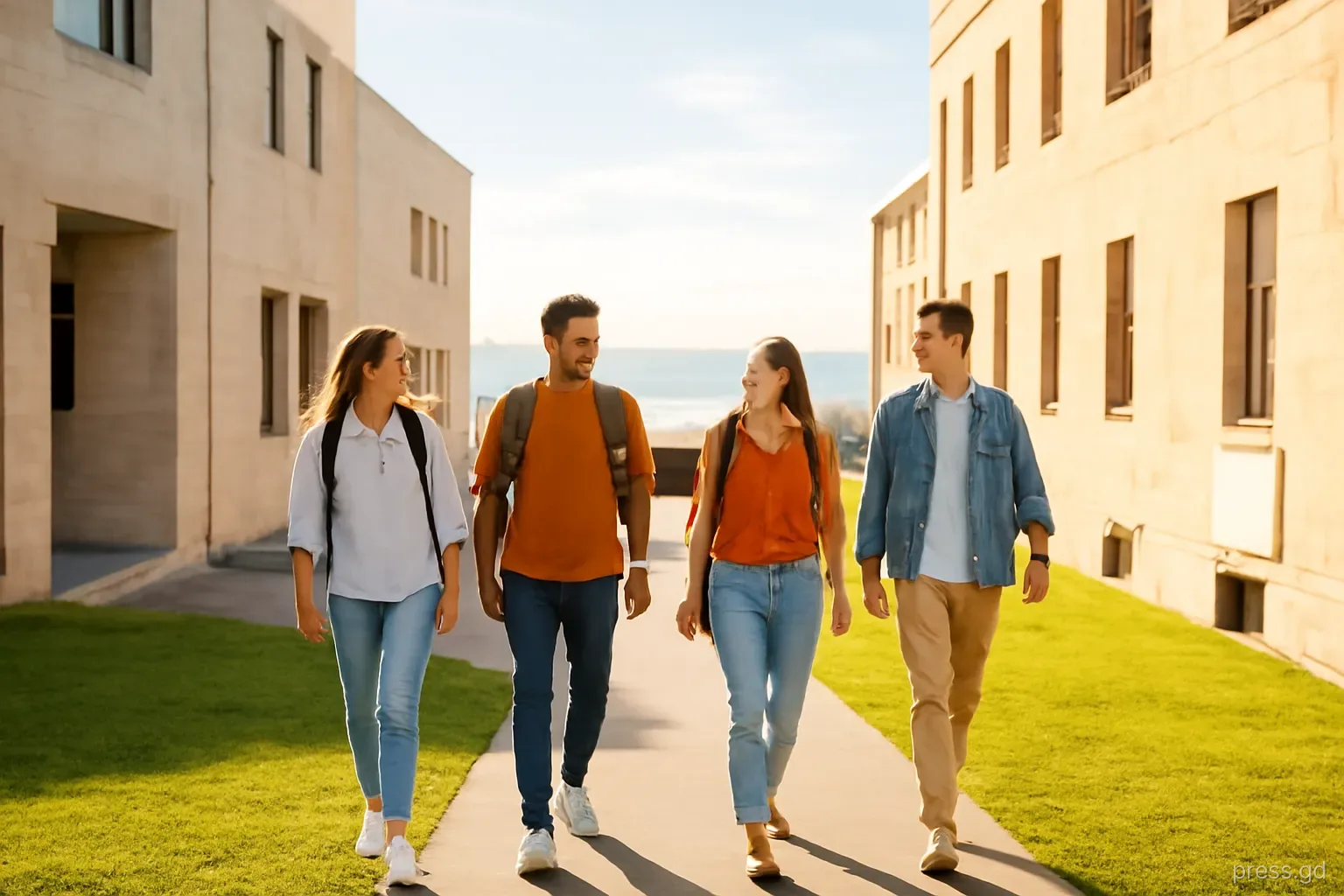
On a map of Grenada's economy, the True Blue peninsula carries a weight out of all proportion to its size. St George's University, the private medical and graduate school that has occupied the headland since the late 1970s, brings thousands of students, faculty and visiting family members to the island every year, most of them from North America and paying fees and living costs in foreign currency. Economists treat that spending as a services export, exactly like tourism, and in most years it ranks among the island's largest.
The university's influence shows up in places that have nothing to do with lectures: apartment rents in the south of St George, the stock on supermarket shelves, the number of route taxis on the Grand Anse road and the mood of landlords every August and January. This explainer sets out how that influence works, why it is both a strength and a vulnerability, and how to judge claims made about it.
A short history of an unusual institution
St George's University was chartered in 1976 and began teaching medicine in 1977, part of a wave of Caribbean medical schools established to train students, mainly Americans, who could not secure places at home. It grew from modest beginnings into a large campus at True Blue with schools of medicine, veterinary medicine, arts and sciences, and graduate studies, and it later added clinical rotations in hospitals in the United States and the United Kingdom.
The university entered world history in October 1983. After the overthrow and killing of Prime Minister Maurice Bishop, the United States government cited the safety of American medical students as one of its reasons for the military intervention that followed. The episode is still discussed in Grenada, and it explains why the institution is so well known abroad relative to the island's size.
Since then the university has become one of the largest private employers in the country, with faculty, administrators, security, maintenance, catering and transport staff, many of them Grenadian. Its relationship with successive governments is close but not always smooth, with periodic debates over taxation, land, utilities and how much the institution should contribute to national development.
How student money reaches the wider economy
Housing. Most students rent privately rather than living on campus. Apartments in True Blue, Lance aux Epines, Grand Anse, Morne Rouge, Calliste and nearby areas are built and furnished with student tenants in mind. For many Grenadian families, a block of rental units has been the main household investment, financed by mortgages from local banks and credit unions.
Daily spending. Students buy groceries, meals, phone and internet plans, gym memberships, haircuts and transport every week. Supermarkets and restaurants in the south stock and staff around term dates, and taxi and route bus drivers adjust their routines to class schedules.
Visitors. Parents and partners fly in for orientation, white coat ceremonies and graduations, filling hotel rooms and booking tours. These visits add a tourism layer on top of student spending, often outside the traditional winter season.
Procurement and construction. The university buys services and supplies locally where it can and periodically builds new facilities, which supports contractors, tradespeople and suppliers of building materials.
Fees and foreign exchange. Tuition is paid largely in US dollars. Even though a large share is spent abroad on clinical training and overseas operations, the portion spent in Grenada adds directly to foreign exchange earnings that support the currency peg.
Concentration risk: what COVID-19 revealed
Any economy that relies heavily on one institution carries what analysts call concentration risk. Grenada learned what that means in 2020, when the pandemic forced the university to move most teaching online and many students left the island. Landlords who had depended on student rent faced empty units while still paying mortgages; restaurants and shops in the south lost a large share of their customers at the same time as tourism collapsed.
The recovery came as students returned, but the episode raised questions that have not gone away. If medical education keeps shifting towards online and hybrid delivery, or if competition from other Caribbean schools intensifies, the number of students physically living in Grenada could change. Policy changes in the United States, such as rules on student loans or the recognition of foreign medical schools, can also affect enrolment from one year to the next.
None of this means the university is about to leave; it has invested heavily in its campus over decades. It does mean that households and banks with large exposure to student housing are, in effect, making a bet on continued enrolment, and that diversification is a sensible goal for the economy as a whole.
Effects on housing and the cost of living
The presence of thousands of students able to pay rents set with North American budgets in mind has a visible effect on housing in the south of the island. Units near True Blue and Grand Anse command higher rents than comparable homes elsewhere, and some Grenadians working in St George's find themselves priced towards Westerhall, St Paul's or further afield. The same pressure supports property values for owners.
Retail prices in some southern supermarkets and restaurants also reflect a customer base with more purchasing power. Locals often say that prices "round True Blue" are pitched at students and visitors, and they shop elsewhere for staples. That kind of price layering is common around large universities worldwide and is not unique to Grenada.
The university and the state have both pointed to benefits flowing the other way, including scholarships for Grenadian students, community health outreach and public lectures. Details of specific programmes change, so anyone interested should check current offerings with the university directly.
Education as an export industry beyond one campus
Policy makers in Grenada increasingly talk about education as a sector in its own right, not just a public service. The reasoning is that the island has already proved it can attract fee-paying foreign students in large numbers, along with the landlords, transport, banking and support services they need. If that model works for one large university, the argument goes, it could work for other niches such as nursing, hospitality training, marine trades or short professional courses.
There are obvious constraints. Accreditation takes years, housing in the south is already under pressure, and any new institution would compete for the same pool of lecturers and clinical placements. Grenada also has limited hospital capacity for training medical students locally, which is why so much clinical work happens overseas.
Still, the experience of True Blue shapes how the country thinks about diversification. Rather than relying solely on beach tourism, an education economy brings visitors who stay for months or years, outside the winter peak, and who often return later as tourists, investors or friends of the island.
Mistakes people make when talking about SGU's impact
Claims about the university's economic weight are common in Grenadian conversation. Several recurring errors are worth avoiding.
- Treating tuition as all local spending. Much of the fee income is spent abroad on clinical placements, staff and operations outside Grenada. The local impact is what students, staff and the institution spend on the island.
- Quoting a single percentage of GDP as fact. Studies and officials have offered different estimates at different times using different methods. Treat any single figure as an estimate and ask how it was calculated.
- Assuming enrolment is fixed. Intake varies with US policy, competition and the popularity of online learning. Landlords and lenders should plan for fluctuation.
- Ignoring the indirect effects. Taxi drivers, hairdressers and gym owners rarely appear in official calculations, yet their income may depend heavily on the student calendar.
- Overlooking the other schools. The university is by far the largest, but Grenada's wider education-export sector also includes other tertiary providers and students attending for language or professional courses.
Frequently asked questions
When was St George's University founded?
The university was chartered in 1976 and began teaching medical students in 1977. It has since expanded into veterinary medicine, arts and sciences and graduate programmes, with its main campus on the True Blue peninsula in the parish of St George.
Why is SGU important to Grenada's economy?
Students and staff bring in foreign currency and spend it locally on housing, food, transport and services. Economists class this as an export of education services. Together with tourism it is one of the country's largest sources of foreign exchange and employment.
What happened to the economy when SGU went online during COVID-19?
Many students left Grenada in 2020, leaving rental units empty and cutting business for shops, restaurants and taxis in the south. Combined with the collapse of tourism, it made the pandemic year one of the hardest in recent memory for households in that area.
Does SGU push up rents in Grenada?
Demand from students and staff supports higher rents in the south of St George, especially in True Blue, Lance aux Epines and Grand Anse. Grenadians working nearby often look further afield for affordable housing, while property owners benefit from the demand.
Do Grenadians study at SGU?
Yes. Grenadian students attend the university across several programmes, and it has offered scholarships to nationals over the years. The details and number of awards change, so prospective students should check directly with the university and the relevant government scholarship office.