
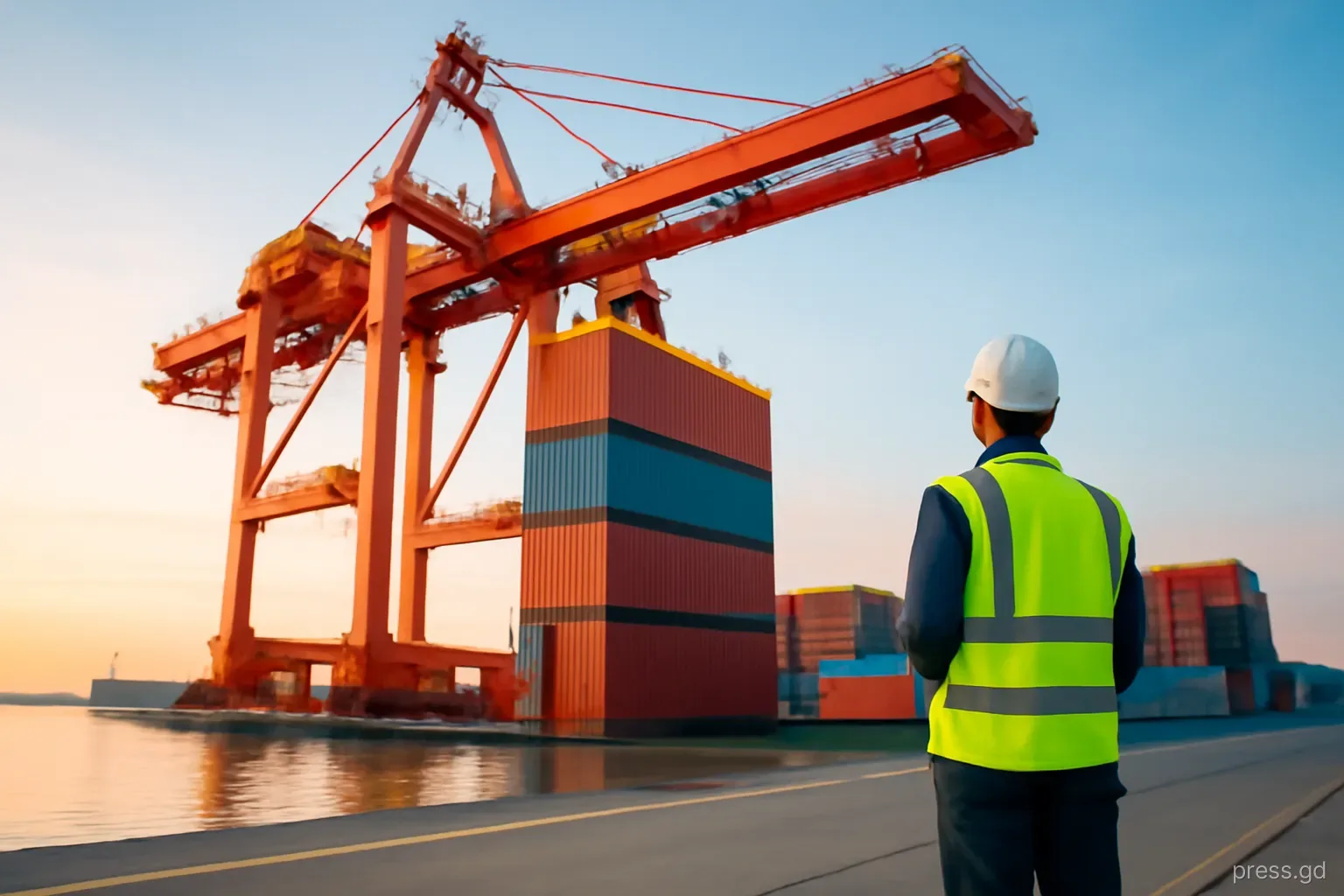
Visitors notice it in supermarkets, residents feel it in their electricity bills, and businesses build it into every quote: a great many things cost more in Grenada than in the large economies most goods come from. The reasons are structural rather than mysterious. A country of little more than 100,000 people, importing most of what it consumes in small consignments, pays for freight, handling, duties and taxes, and for the inefficiency of serving a small market.
Understanding those layers helps explain why governments find it so hard to bring prices down, why a global shock such as the 2022 jump in fuel and food prices hits the island so quickly, and why some items are cheaper than expected while others are startlingly dear. This explainer walks through the chain from factory to shelf.
An economy that imports almost everything
Grenada produces some food, rum, beer, flour, spices, chocolate and building blocks, but most manufactured goods, fuel, vehicles, appliances, medicines and a large share of food are imported. The main suppliers include the United States, Trinidad and Tobago, other CARICOM members, China and Europe. Because exports of goods are small, the country pays for these imports mainly with earnings from tourism, education services, remittances and investment inflows.
Import dependence means that foreign inflation becomes local inflation. When grain or fuel prices rise on world markets, or when shipping rates spike, Grenadian prices follow, usually with a lag of a few weeks to months as existing stock sells out. There is little a small government can do to stop that, other than adjusting its own taxes or controlling the margins on selected items.
It also means the island's price level depends on the cost of moving goods. Every container that arrives at St George's has already travelled through a hub such as Miami or Port of Spain, and its cost is spread across a relatively small number of buyers.
The layers between factory and shelf
Freight and insurance. Goods arrive in smaller consignments than in large markets, often transhipped through regional hubs. Per-unit shipping costs are higher, and insurance and handling add more. For Carriacou and Petite Martinique, a further ferry or cargo-boat leg adds another layer.
Port charges. Handling, storage and other fees at the port are built into the landed cost. Delays in clearing goods also tie up importers' cash, which they recover through prices.
Import duty. Grenada applies the CARICOM common external tariff, which charges duty on many goods imported from outside the region, with rates varying by product. Goods qualifying as CARICOM origin generally enter duty-free.
Customs service charge and excise. A customs service charge applies to the value of most imports, and excise-type taxes fall heavily on vehicles, alcohol, tobacco and fuel.
VAT. Value Added Tax at 15 per cent applies to most goods at the point of sale, calculated on a value that already includes freight, duty and other charges. Some basic food items are zero-rated or exempt.
Distribution and retail margins. Wholesalers and retailers must cover warehousing, electricity, wages and the cost of holding stock in a small market where turnover is slow. Margins in small markets tend to be higher than in large, competitive ones.
Electricity: the cost behind every other cost
Grenada's electricity has historically been generated mainly from imported diesel, which makes power expensive by international standards and ties bills to world oil prices through a fuel charge that moves month to month. Every business that refrigerates food, runs air-conditioning or operates machinery passes that cost on to customers, so electricity prices quietly raise the price of almost everything else.
The Electricity Supply Act of 2016 opened the sector to more competition in generation and created the Public Utilities Regulatory Commission to oversee tariffs and licensing. Solar installations on homes, hotels and public buildings have expanded, and there has been long-running interest in geothermal exploration. How quickly renewable sources displace diesel will be one of the main factors in whether the cost of living in Grenada eases over the coming years.
Water, telecommunications and fuel at the pump are other basic costs. Pump prices for petrol and diesel are regulated, with government taxes forming a significant share, so the price motorists pay depends on policy decisions as well as world markets.
What the EC dollar peg does, and does not do
Because the Eastern Caribbean dollar is fixed at EC$2.70 to the US dollar, prices of goods imported from the United States are not affected by exchange rate swings between the two currencies. That stability is valuable: importers can plan, and households are protected from the sudden devaluations that have pushed up prices in some other countries.
The peg does not protect against everything. Goods priced in euros, sterling or other currencies become cheaper or dearer in EC dollars as those currencies move against the US dollar. More importantly, the peg cannot shield Grenada from inflation in the United States itself or from global commodity prices. When American prices rise, Grenadian import costs rise with them.
The peg also rules out one tool other countries use: devaluing the currency to make exports and tourism cheaper. Grenada's competitiveness therefore depends on productivity, costs and quality rather than the exchange rate.
Small market, few competitors
Scale affects more than freight. In a market of this size, there is room for only a handful of large supermarket chains, hardware suppliers, fuel distributors and building material importers. Where only two or three firms sell a product, competition on price is weaker than in a large economy, and new entrants face high costs to set up warehousing and import channels.
That does not prove anyone is overcharging; it means outcomes depend more on regulation and on the behaviour of a few businesses. Grenada participates in regional competition arrangements through CARICOM, and consumer protection is handled by the ministry responsible for consumer affairs. Shoppers who compare prices across outlets, use local markets such as the one at Market Square in St George's, and buy in season often find significant differences for the same basket.
What the government can and cannot do
Pressure to "do something about prices" is constant, especially after global spikes. The available tools are limited and each has costs.
- Price controls. The ministry responsible for trade sets maximum prices or margins on selected basic items. Controls can help shoppers but, if set too tightly, may discourage importers from stocking those items.
- Tax relief. Governments have at times reduced or waived VAT or duty on certain foods or fuel. This lowers prices but cuts revenue needed for services.
- Bulk purchasing. State bodies such as the Marketing and National Importing Board can import some products in bulk, aiming to stabilise supply and prices.
- Local production. Encouraging farming, fishing and agro-processing reduces import dependence over time, though it rarely competes on price with mass-produced imports immediately.
- Energy transition. Cutting the cost of electricity through renewables would lower costs across the economy, but requires large upfront investment.
Mistakes people make when comparing prices
Comparing shelf prices only. A tin costing more in Grenada than in Miami reflects freight, duty and VAT, not necessarily retailer greed. Some local produce, fish and services are cheaper than abroad.
Ignoring brand substitution. Imported North American brands are often the most expensive option. Caribbean-made alternatives from Trinidad, Barbados or Grenada can be markedly cheaper.
Assuming prices fall when world prices fall. Stock bought at higher prices must sell first, and some costs such as wages and electricity do not drop. Declines are slower and smaller than increases.
Forgetting the island premium within Grenada. Prices on Carriacou and Petite Martinique are often higher again than on the mainland because goods take an extra sea journey and turnover is smaller. Comparisons made in St George's supermarkets do not apply across the state.
Frequently asked questions
Why is food expensive in Grenada?
Much of it is imported in small consignments, so freight and handling costs per item are high. Import duty on goods from outside CARICOM, a customs service charge, VAT on most items and retailers' costs for electricity and storage are all added before food reaches the shelf.
Does the EC dollar peg keep prices low?
The peg keeps the EC dollar stable against the US dollar, which protects against exchange rate shocks on American imports. It cannot prevent inflation in the US or rises in global commodity and shipping prices, which pass through to Grenadian shoppers.
Why is electricity costly in Grenada?
Power has been generated mainly from imported diesel, so bills follow world oil prices through a monthly fuel charge. Small-scale generation also lacks the economies of scale of large grids. Expanding solar and other renewables is the main route to lower costs.
Are there price controls in Grenada?
Yes. The ministry responsible for trade and consumer affairs sets maximum prices or margins on certain basic goods. The list and the limits change with circumstances, for example after global price spikes or disasters, so check current notices for details.
Is everything more expensive than in the United States?
No. Imported packaged goods, vehicles and electronics usually cost more, but local fruit, vegetables, fish, bread and many services can be cheaper. Buying local produce and regional brands makes a big difference to a household budget.