
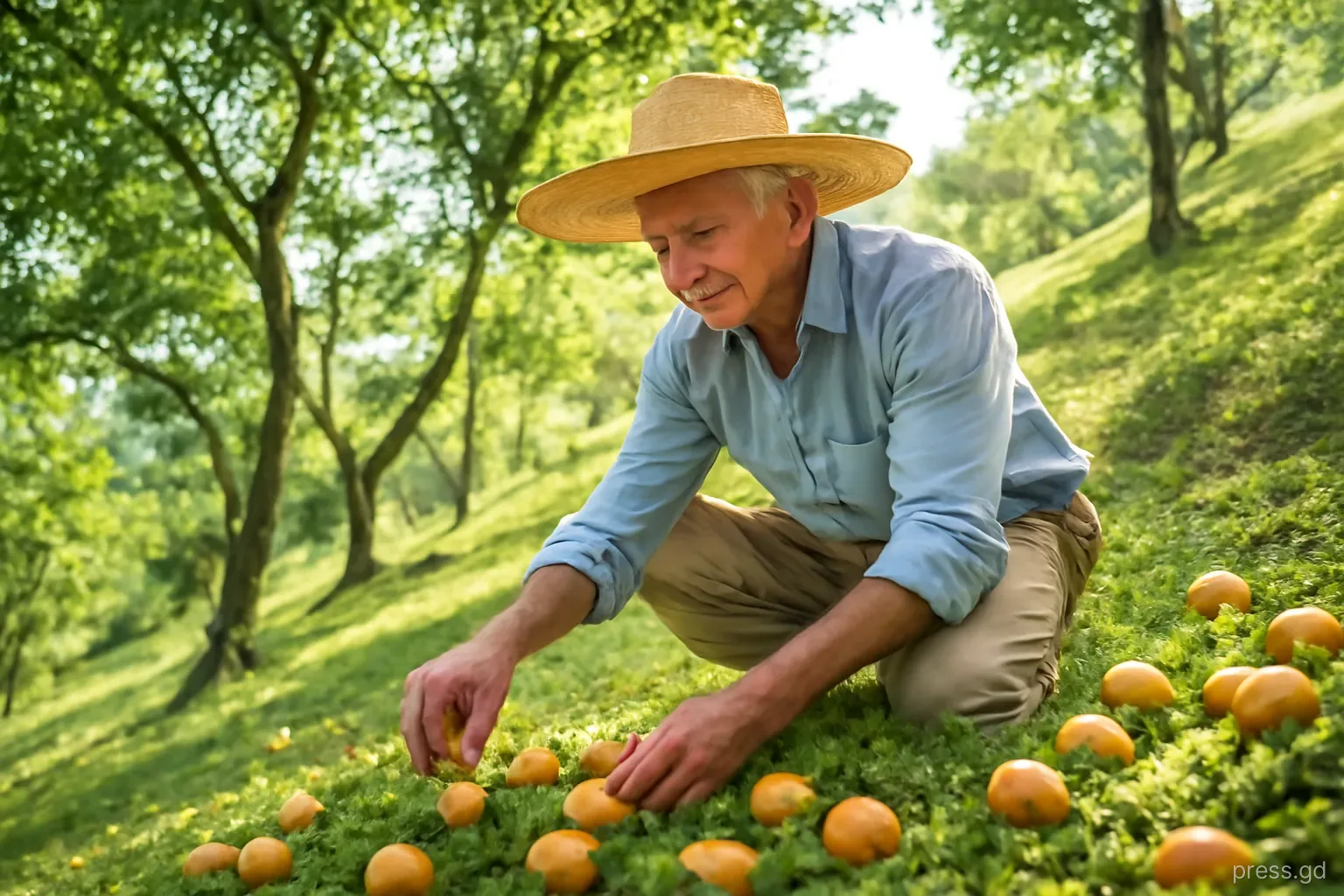
For much of the twentieth century, the nutmeg on Grenada's flag described the economy as well as the national identity. The island was the world's second-largest exporter of the spice after Indonesia, cocoa and bananas brought in further export earnings, and many rural families in St John, St Mark, St Andrew and St Patrick lived on income from small plots of tree crops. Prices rose and fell, but the basic shape of the economy was agricultural.
That is no longer true. Agriculture now accounts for a small single-digit share of national output, well behind tourism, education services, construction and retail. The change did not happen overnight, and it did not happen for one reason. Hurricane Ivan in 2004 delivered the most dramatic blow, but trade policy, labour markets and land use had been pulling in the same direction for years. Understanding why helps explain current debates about food security and rural jobs.
How the nutmeg economy was organised
Grenada's nutmeg trade has long been channelled through the Grenada Co-operative Nutmeg Association, established in 1947. Farmers deliver nutmegs and mace to receiving and processing stations, the best known being the one at Gouyave, where the produce is dried, graded, sorted and bagged for export. The association pays an initial price on delivery and may pay a bonus later depending on sales, an arrangement that spreads risk but also means farmers wait for part of their income.
Nutmeg trees produce two spices. The seed is the nutmeg itself; the bright red, lace-like covering is mace, which is lighter and usually sells at a higher price per pound. Both go into food manufacturing, essential oils and pharmaceutical uses, and Grenadian nutmeg has a reputation for quality that buyers in Europe and North America recognise.
Because the trees grow on steep, wet hillsides that suit few other crops, nutmeg also played an environmental role, holding soil in place and providing shade. The industry was never highly mechanised; picking up fallen fruit and splitting pods remain manual jobs, which shaped the rural economy around family labour and small plots.
Hurricane Ivan and the long wait for trees
When Hurricane Ivan crossed Grenada on 7 September 2004, it destroyed or badly damaged most nutmeg trees on the island; estimates at the time put the loss at a large majority of the crop. Cocoa, bananas and other tree crops were also flattened. Hurricane Emily in 2005 damaged much of what had survived in the north.
The problem with tree crops is time. A newly planted nutmeg tree takes several years before it bears commercially, and it does not reach full production for many more. Farmers also cannot tell male from female trees until they flower, so a portion of any replanting turns out to be unproductive. For a farmer in his fifties or sixties in 2004, replanting meant waiting most of a decade for income, with no guarantee another storm would not repeat the loss.
Many did replant, helped by programmes from the Ministry of Agriculture, the GCNA and international partners. Others turned to short-term crops, took jobs in construction during the reconstruction boom, or left farming entirely. Production recovered only partially, and Grenada's share of world nutmeg exports is now much smaller than before the storm.
The other crops that faded
Bananas. Windward Islands bananas relied for decades on preferential access to the British and later European market. When that regime was challenged at the World Trade Organization in the 1990s and gradually dismantled, small Caribbean producers could not compete on price with large Latin American plantations. Grenada's banana exports declined sharply, and the crop is now grown mainly for local consumption.
Cocoa. Grenada produces fine-flavour cocoa prized by specialist chocolate makers. Exports continue, coordinated by the Grenada Cocoa Association, and a small bean-to-bar industry has grown up around estates such as Belmont and the Grenada Chocolate Company. Volumes, however, are modest, and the crop suffered heavily from Ivan and later from ageing trees and disease.
Sugar cane. Once the basis of the colonial plantation economy, sugar is now limited mainly to cane grown for rum. River Antoine in St Patrick still crushes cane with a water wheel, but large-scale sugar production ended long ago.
Fisheries. Fishing remains important in Gouyave, Grenville, Victoria and on Carriacou. Fresh tuna and other species are exported by air, but the sector depends on fuel prices, boat insurance and access to export markets that meet food safety rules.
Why young people are not replacing older farmers
Agricultural officials in Grenada regularly point to the high average age of farmers. Several pressures explain it. Farm work on steep land is physically demanding and income is irregular, while tourism, construction and services offer wages paid every fortnight. Many young Grenadians also aspire to office or professional work, or to migration, and families often encourage them in that direction.
Land is another factor. Much agricultural land is held as family land, passed down without formal division among many heirs, which makes it hard to use as collateral or to invest in. Some estates have been sold for housing or tourism development, especially near the coast. Feeder roads into farming districts deteriorate quickly in heavy rain, raising transport costs.
Theft is a persistent complaint. Praedial larceny, the stealing of crops and livestock, discourages investment because farmers can lose a season's produce in a night. Successive governments have tried registration schemes for buyers and tougher penalties, but enforcement in rural areas remains difficult.
Carriacou, Petite Martinique and the smaller farming economies
Agriculture on Carriacou and Petite Martinique has always looked different from the mainland. The islands are drier, with no rainforest and limited fresh water, so farming has centred on corn, pigeon peas, livestock such as goats and sheep, and fishing rather than tree crops. Boat-building and seafaring traditions, especially at Windward on Carriacou, long supplemented farm incomes, as did trading voyages to neighbouring islands.
Hurricane Beryl in July 2024 struck both islands with extreme force, destroying or damaging most homes and much of the vegetation, livestock shelters and fishing equipment. Recovery of small-scale farming and fishing there is closely tied to the rebuilding of housing, water storage and electricity, and the timeline remains uncertain. Anyone writing or planning around Carriacou's rural economy should check current conditions rather than rely on pre-2024 descriptions.
Food security and what is being tried
The decline of export agriculture has a direct consequence: Grenada imports most of its food. That exposes households to global price spikes and shipping disruptions, as the 2022 surge in food and fuel costs showed. Several approaches are under discussion or in place.
- Import substitution. Encouraging local production of vegetables, root crops, poultry and eggs to replace imports, often with support for greenhouses and irrigation.
- Linking farms to hotels. Programmes to help farmers meet the volume and consistency requirements of resort kitchens, which tend to import because supply is predictable.
- Marketing support. The Marketing and National Importing Board buys produce from farmers and supplies it to retail and institutional buyers, though farmers often say prices and payment times could be better.
- Value-added processing. Nutmeg oil, jams, sauces, chocolate and spice products sold to visitors and abroad capture more value than raw exports.
- Regional targets. CARICOM has set ambitions to cut the region's food import bill substantially, and Grenada participates in those initiatives.
What to watch and common misconceptions
Symbol is not size. Nutmeg remains central to Grenada's identity and tourism branding, but its contribution to output and employment is far smaller than its symbolic weight. Policy built on nostalgia can misjudge where jobs are.
Price spikes do not equal recovery. A good year for world spice prices helps farmers, but it cannot compensate for low volumes. Production capacity is the binding constraint.
Agriculture still matters beyond GDP. Small-scale farming supports rural incomes, food security, informal employment and the landscape that visitors come to see. Its value is underestimated by output statistics alone.
Storms will come again. Any recovery plan for tree crops has to assume another major hurricane within the life of the trees. That argues for mixed planting, crop insurance where available, wind-tolerant varieties and keeping some income from short-cycle crops, rather than rebuilding exactly what existed before 2004.
Frequently asked questions
Is Grenada still a major nutmeg producer?
Grenada still exports nutmeg and mace and is known for quality, but its share of the world market is much smaller than before Hurricane Ivan in 2004. Indonesia remains the largest producer. Grenadian volumes recovered only partially because replanted trees take years to bear.
What is the GCNA?
The Grenada Co-operative Nutmeg Association, founded in 1947, buys nutmeg and mace from farmers, processes and grades it at stations such as Gouyave, and markets it abroad. Farmers receive an initial payment and sometimes a later bonus depending on sales.
How long does a nutmeg tree take to produce?
A nutmeg tree typically needs several years before it bears commercially and longer to reach full yield. Farmers cannot tell whether a seedling is male or female until it flowers, which adds uncertainty to replanting after storms.
Why did Grenada stop exporting bananas in large quantities?
Caribbean bananas depended on preferential access to European markets. When those arrangements were challenged at the World Trade Organization and phased out, small hillside farms could not match the prices of large Latin American plantations, and exports fell steeply.
What is praedial larceny?
It is the theft of agricultural produce or livestock from farms. In Grenada it is a long-standing problem that discourages farmers from investing, and governments have introduced buyer registration and penalties to reduce it, with mixed results in practice.