Press conferences are common in Grenada. Government ministries, political parties, businesses, unions, sports associations and charities all use them, and journalists are used to attending. That familiarity is useful, but it also means media workers know the difference between an event worth covering and one that wastes their morning.
This guide explains when a press conference makes sense, how to plan one in Grenada, and the practical details that often decide whether it succeeds. It draws on the way local newsrooms work: small teams, several assignments a day, and limited time for events that overrun or lack news.
When a press conference is worth it
A press conference makes sense when there is genuine news that benefits from questions, pictures or the presence of senior figures. Examples include a significant investment announcement, the launch of a national programme, a major sporting event, a response to a public controversy, or the arrival of important visitors.
It is not the right tool for routine announcements that could be handled by a press release, such as a new staff appointment or a modest donation. Calling journalists to an event with little news can damage your credibility for next time.
Ask yourself: will journalists get something at the event that they cannot get from a release? That might be the chance to question a minister or chief executive, to film a demonstration, or to interview several partners in one place. If the answer is no, send a release instead.
Planning checklist
Good press conferences are planned in detail. A practical sequence:
- Confirm the news and the key messages, and decide who will speak. Keep the number of speakers small.
- Choose a date and time that avoids clashes with major national events, parliamentary sittings or other big announcements.
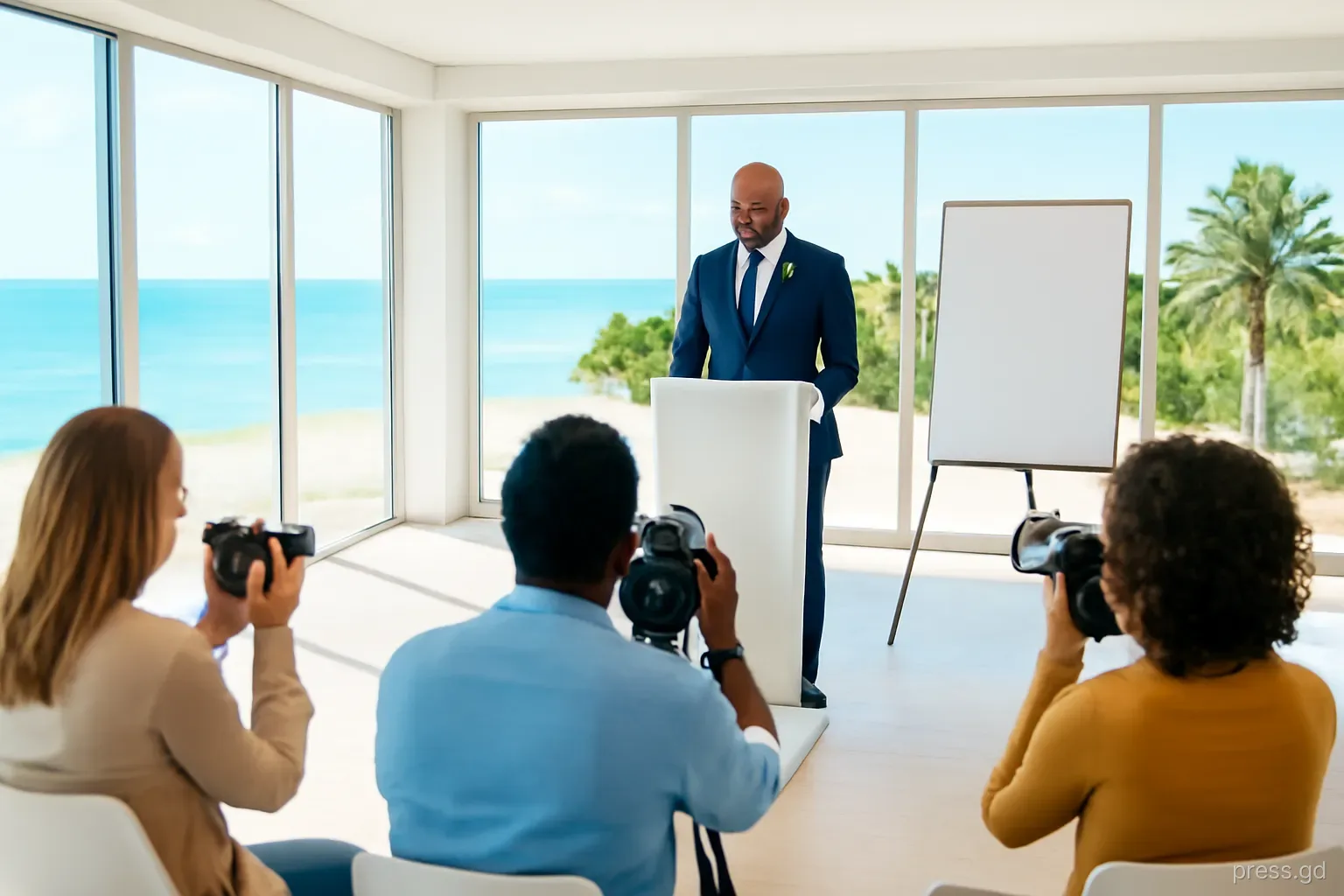
- Pick a venue that is easy to reach, has parking, power, good sound and reasonable lighting, and allows cameras to set up.
- Send a media advisory several days ahead, with the subject, time, place, speakers and contact details, then a short reminder the day before.
- Prepare a press release, fact sheet and photos to hand out or send immediately after the event.
- Brief speakers on likely questions, especially difficult ones, and agree who will answer what.
- Arrange a simple registration point for journalists and someone to look after their needs.
- Plan time after the formal session for individual interviews, which broadcasters often need.
What to put in the media advisory
The media advisory is a short note inviting journalists, distinct from the press release that carries the news. It should be brief and practical, covering the subject in one or two sentences, the date, start time and expected duration, the venue with clear directions, the names and titles of speakers, any photo or filming opportunities, and a contact person for questions.
Do not reveal the whole story in the advisory if the news is meant to be announced at the event, but give enough to show why it matters. An advisory that says only "important announcement" without any indication of subject is unlikely to attract busy journalists.
Send the advisory to named journalists and editors as well as newsroom addresses. For major events, follow up with a brief reminder the day before, and confirm attendance where possible so you know roughly how many to expect.
Timing and venue in Grenada
Mid-morning, roughly between ten and eleven, often suits newsrooms. It gives journalists time to file for midday and evening bulletins and avoids early-morning programmes. Avoid scheduling against major national events such as budget day, a major court ruling, a state funeral or a big sporting final, which will draw media elsewhere.
Venue choice matters more than people think. Hotels and conference rooms in the Grand Anse and Morne Rouge area, along with venues in St George's, are commonly used. Consider traffic: getting through the capital at certain times can be slow, and journalists may have to travel between assignments. If the event is outside the south-west, for example in Grenville, Gouyave or on Carriacou, give extra notice and consider whether media will realistically attend.
Check practical details: power outlets for cameras, a backdrop that photographs well without clutter, adequate air conditioning or ventilation, and a sound system that will not produce feedback in recordings.
Running the event on the day
Start on time. Journalists often have other assignments. Starting late is the most common complaint about press conferences in small countries.
Keep it short. Opening statements should take no more than 15 to 20 minutes in total. Long speeches by multiple officials, each thanking everyone present, lose the audience.
Allow real questions. Leave time for questions and answer them directly. Refusing questions or cutting them short creates suspicion and often becomes the story.
Help broadcasters. Make spokespeople available for one-to-one interviews after the session. Radio and television need clean audio and individual clips.
Provide materials. Hand out or email the release, fact sheet and photos immediately, so journalists can check facts and spellings.
Name a media host. Assign one person to greet journalists, note their names and outlets, and arrange interviews afterwards, so speakers are not distracted.
Online and hybrid briefings
Since the pandemic, many organisations in Grenada and across the region have held briefings online or in hybrid form, with some journalists in the room and others joining remotely. This can widen reach, including to regional and diaspora outlets, and saves journalists travel time.
Online briefings need their own planning: a reliable internet connection, good microphones, someone managing questions from remote participants, and a recording available afterwards. Technical problems can undermine the event, so test the set-up beforehand.
Livestreaming on social media lets the public watch directly. That brings transparency but also risk: every word, including mistakes and off-the-cuff remarks, becomes part of the public record. Speakers should assume everything is on the record from the moment the stream starts.
A sensible compromise for many organisations is to hold the briefing in person, record it, and share the recording and materials promptly with journalists who could not attend, including correspondents for regional outlets and diaspora media.
After the event
The work does not end when the speakers sit down. Within an hour or two, send the release, photos and any additional material to all journalists who attended and to those who could not come. Include answers to any questions that were left open during the session, and offer further interviews if needed.
Monitor coverage over the following days across radio, television, newspapers and online outlets. Note what was reported accurately, what was missed and any errors. Correct significant mistakes promptly and politely with the outlet concerned.
Finally, review the event internally. Did it start on time? Were the key messages clear? Did journalists get what they needed? These lessons make the next press conference more effective, and help build a reputation as an organisation whose events are worth attending.
What nobody tells you
Some lessons only become clear after a few events:
- The opening protocol, with lengthy acknowledgements of every dignitary, can eat into time and bore journalists. Keep it brief.
- Refreshments are appreciated but do not compensate for a lack of news.
- A journalist asking a hard question is doing their job, not attacking the organisation.
- Clashing with another press conference can halve attendance; check what else is planned that day.
- Speakers who read long statements word for word give broadcasters little usable material. Short, natural answers work better.
- Follow-up matters: a quick email with materials and answers to unanswered questions can improve coverage.
- Seating matters: leave space at the front for cameras and photographers rather than filling it with guests.
- Weather can intervene. Outdoor launches in the rainy season, roughly June to December, need a covered fallback.
Frequently asked questions
What time is best for a press conference in Grenada?
Mid-morning, around ten or eleven, often works because journalists can file for midday and evening bulletins. Avoid days with major national events, parliamentary sittings or other big announcements.
How far ahead should you invite journalists?
Send a media advisory several days ahead, giving the subject, time, venue and speakers, then a short reminder the day before. For events outside the St George's area or on Carriacou, give more notice.
How long should a press conference last?
Keep formal statements to about 15 to 20 minutes, followed by questions and time for individual interviews. Events that run much longer lose journalists, who often have other assignments.
Do you need to provide refreshments?
Refreshments are a courtesy, not a requirement. They will not make up for an event with little news. Focus on starting on time, keeping it short and giving journalists useful material and access.
Should you livestream my press conference?
Livestreaming can widen reach and show transparency, but everything said becomes public immediately. Test the technology, manage remote questions, and make sure speakers treat every word as on the record.