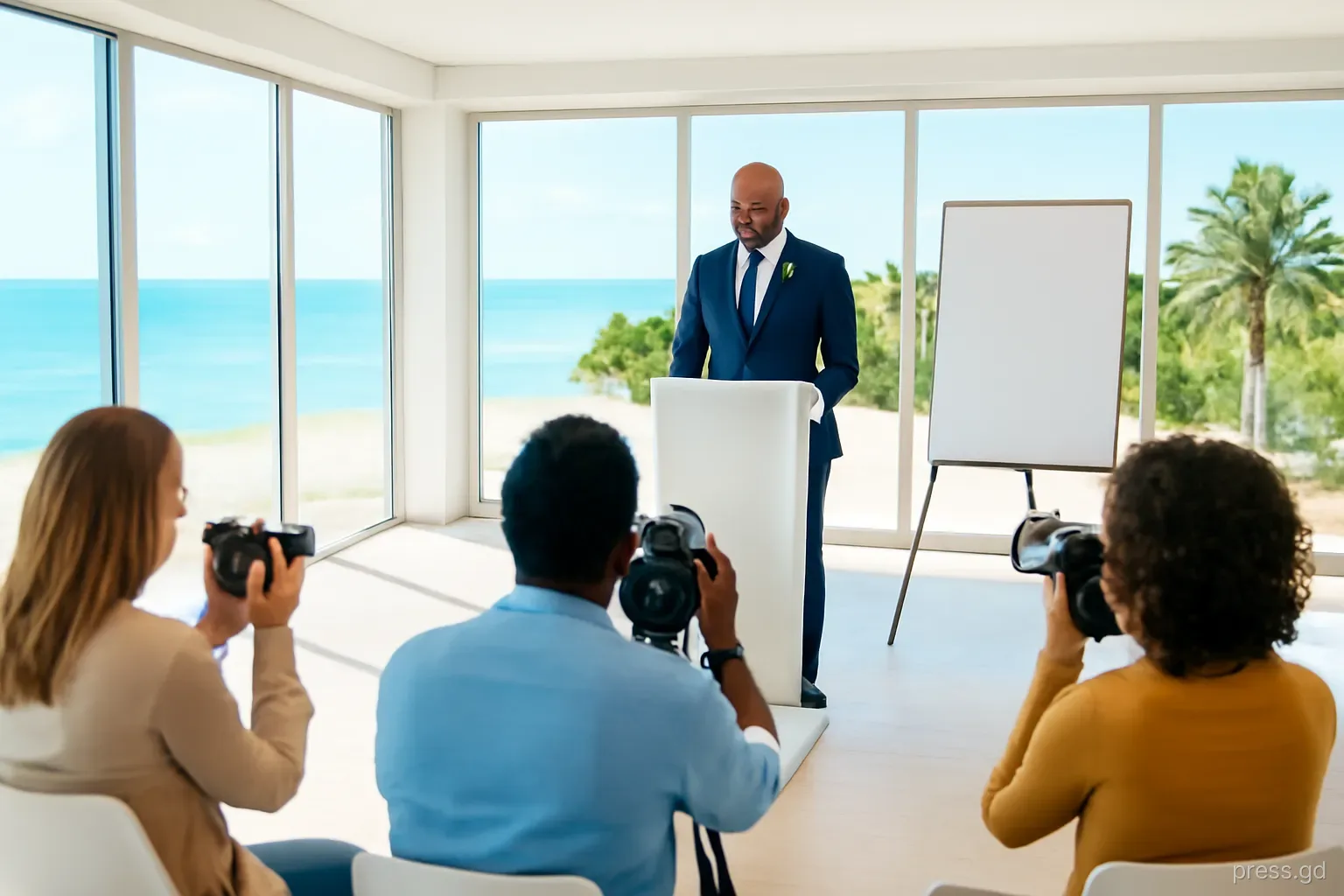

Many organisations in Grenada mix up two different things: getting covered by the news and buying space or airtime. Both put your name in front of the public, but they work differently, cost differently and carry different expectations. Confusing them leads to frustration, such as a business annoyed that a release was not printed word for word, or a station uneasy about a "news item" that is really an advertisement.
This guide explains the main forms of media exposure available in Grenada, how they differ, when each makes sense and how to keep things honest with audiences. It does not quote rates, which vary by outlet and change over time; ask outlets directly for current rate cards.
The main options
Earned media. News coverage you do not pay for, gained because journalists judge your story newsworthy. You influence it through releases, pitches and interviews, but the outlet decides what to publish and how.
Advertising. Space or airtime you buy, with your content, timing and placement under your control within the outlet's rules. Radio spots, television commercials, print adverts and online banners are the familiar forms.
Advertorials. Paid content designed to look like editorial material, such as a feature article about a business. Responsible outlets label it clearly as advertising or sponsored content.
Paid programming. Airtime bought for a whole programme or segment, such as a weekly show produced by an organisation, a church or a political party. The buyer controls content within the station's standards.
Sponsorship. Paying to be associated with a programme, event or segment, such as a sports broadcast or a festival, in return for mentions and branding.
Owned media. Your own channels: website, social media pages, newsletters and messaging groups. You control them fully, but you must build your own audience.
When earned coverage is the right goal
Earned coverage carries credibility because an independent journalist has chosen to report it. A news story about a new health clinic in St Patrick or a youth programme in St David is more persuasive to many people than an advert saying the same thing. It is also free, apart from the time and effort of preparing material.
The trade-off is control. You cannot dictate the headline, the angle, the timing or whether critical voices are included. A journalist may ask about problems you would rather not discuss. If your story is not newsworthy, it may not run at all.
Earned coverage works best for genuine news: launches, achievements, appointments with public significance, responses to public issues, community initiatives with clear benefits, and events open to the public. It works poorly for routine promotion, such as a sale or a menu change, which is better handled through advertising or your own channels.
When advertising makes more sense
Advertising is the right tool when you need control: specific wording, a particular date, repeated exposure or a guaranteed audience. A hotel promoting a weekend package, a supermarket announcing opening hours over a holiday, or an event organiser selling tickets all need certainty that news coverage cannot provide.
In Grenada, radio advertising remains popular because it reaches people at work, in buses and cars, and at home. Short spots can be repeated throughout the day. Television reaches families in the evening and offers visual impact. Newspapers suit detailed information and formal notices. Online and social media adverts allow targeting, including Grenadians abroad.
Radio stations also carry paid community announcements, including the death and funeral announcements that are a familiar part of Grenadian radio. These show how embedded paid announcements are in daily life, and how a well-timed notice can reach a whole community.
Advertorials and paid programming: keeping it honest
Advertorials and paid programming sit in a grey zone. They look like editorial content but are paid for. That is not wrong in itself, but audiences deserve to know what they are reading, hearing or watching. Responsible outlets label such material clearly, with words such as "advertisement", "sponsored" or "paid programme", and many have internal policies about how it should appear.
Organisations should support honest labelling rather than resist it. Trying to disguise paid content as news can damage trust in both the outlet and the organisation if audiences feel misled. Journalists may also be uncomfortable being asked to present paid material as their own reporting.
Paid programming is common in Grenada, from religious broadcasts to programmes produced by political parties and organisations. Audiences generally understand the format, but the same principle applies: it should be clear who is behind the content.
Choosing the right mix
Most organisations need a combination of approaches rather than a single channel. A small business, a charity and a government agency will weigh the options differently, but the same basic questions apply to all of them. A simple way to decide:
- Define what you want to achieve: awareness, sales, attendance, reputation, or public understanding of an issue.
- Identify the audience you need to reach, including whether it is local, on Carriacou and Petite Martinique, or in the diaspora.
- Ask whether your message is genuinely newsworthy. If it is, prepare a release and pitch for earned coverage.
- If you need control of wording or timing, budget for advertising on the outlets your audience uses.
- Use your own channels to reinforce both, sharing coverage and adverts with your followers.
- Review what worked after each campaign and adjust the mix next time.
Measuring what you get
Whichever approach you choose, track the results. For earned coverage, note which outlets ran the story, how accurately it was reported and whether it led to enquiries, visits or sales. For advertising, ask customers how they heard about you, use specific offers or codes for different outlets, and compare results across campaigns.
Online advertising offers detailed statistics, but treat them with care: views and clicks are not the same as customers. Radio and television audiences are harder to measure precisely in a small market, so simple methods, such as asking new customers where they heard about you, remain useful. Over time, these records show where your budget and effort work best.
Keep copies or recordings of coverage too. A simple archive of articles, broadcast clips and adverts helps with reports to boards, sponsors and funders, and shows how your public profile has developed over the years.
Mistakes organisations make
Most mistakes come from treating every form of exposure as interchangeable. Common errors include:
- Expecting free news coverage for what is essentially an advert, then complaining when it is not used.
- Assuming that advertising with an outlet buys favourable news coverage. Professional newsrooms keep the two separate.
- Disguising paid content as news, which risks damaging trust.
- Spreading a small budget thinly across too many outlets, so the message is never repeated enough to stick.
- Ignoring timing, such as advertising after tickets are sold out or during a period when audiences are focused on a major national event.
- Neglecting your own channels, which cost little to maintain and keep your audience informed between campaigns.
- Forgetting to plan creative work. A good radio spot or print advert needs clear wording, accurate details and enough lead time for production.
A note on government advertising
Government is one of the largest advertisers in Grenada, placing public notices, campaigns and announcements across many outlets. Media analysts have noted that dependence on government advertising can create financial pressures for outlets, and some commentators worry this may encourage caution in coverage.
For organisations working with government on campaigns, it is important to understand that public information campaigns and political messaging are different, and that outlets may have policies about content during election periods. Transparency about who is paying for a message is always the safest approach.
Outlets themselves have to balance commercial survival with independence. Readers and listeners in Grenada are generally alert to where an outlet's money comes from, and outlets that keep clear lines between paid content and journalism tend to earn more lasting trust. Organisations that respect those lines help keep the media environment healthy, which benefits everyone who relies on credible news.
Frequently asked questions
What is the difference between earned and paid media?
Earned media is news coverage that journalists choose to publish because they find your story newsworthy, without payment. Paid media is advertising or sponsored content you buy, giving you control over wording, timing and placement.
Is an advertorial the same as a news story?
No. An advertorial is paid content presented in an editorial style. Responsible outlets label it as advertising or sponsored content so audiences know it was paid for, and organisations should support that labelling.
Does advertising with a station guarantee news coverage?
No. Professional newsrooms keep editorial decisions separate from advertising. Buying adverts does not entitle you to favourable coverage, and pressuring journalists on that basis can damage relationships.
How much does advertising cost in Grenada?
Rates vary widely by outlet, format, time slot and campaign length, and they change over time. Ask outlets for current rate cards and compare reach and audience before deciding where to spend.
Is radio still worth advertising on in Grenada?
Radio remains an important medium, reaching people at work, at home and while travelling. Short, repeated spots can be effective, especially combined with social media and other channels.