
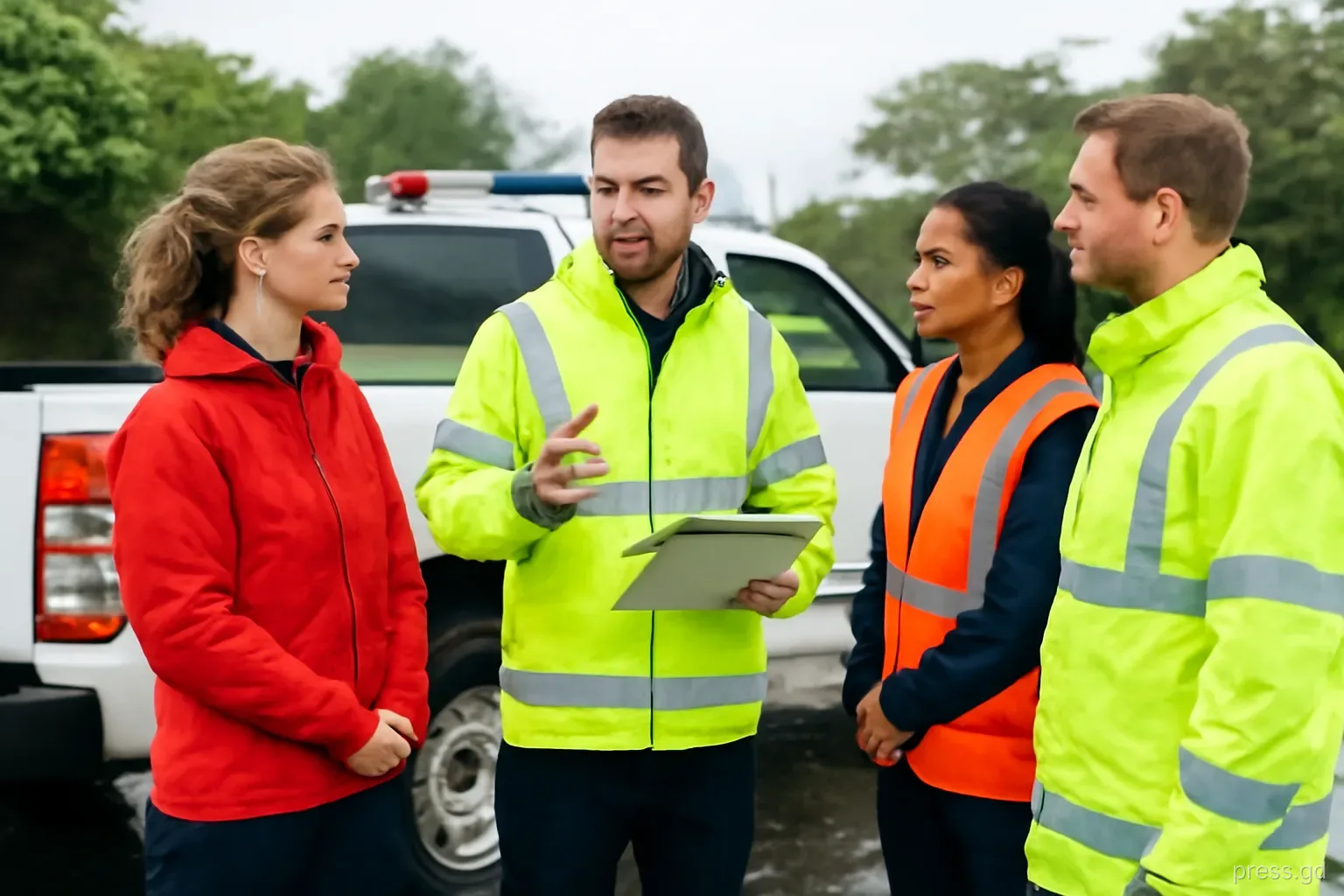
Grenada knows what a crisis looks like. Hurricane Ivan in September 2004 damaged the vast majority of buildings on the main island. Hurricane Beryl in July 2024 devastated Carriacou and Petite Martinique. Between those national disasters come smaller crises that can still overwhelm an organisation: a fire, a food safety scare, a serious accident, a data breach, an allegation against a staff member, or a rumour that spreads through messaging groups faster than anyone can respond.
How an organisation communicates in those moments shapes how it is judged for years. In a small country, people remember. This guide sets out how to prepare, what to do in the first hours and days, and the mistakes that turn a manageable crisis into a lasting reputational problem.
Prepare before you need it
The worst time to write a crisis plan is during a crisis. Organisations in Grenada should prepare a simple plan in advance, ideally reviewed before each hurricane season, which runs officially from 1 June to 30 November. The plan does not need to be long. It should set out who makes decisions, who speaks publicly, how staff will be informed, and how the organisation will communicate if power, phone networks or the internet fail.
Keep contact lists for staff, key partners, media and authorities, stored in more than one place, including offline. Prepare holding statements for likely scenarios, such as closure due to a storm, an accident on premises or a service outage, so that you can adapt them quickly rather than starting from scratch.
Identify a primary spokesperson and at least one backup. In a hurricane or major emergency, the usual leader may be unreachable, injured or dealing with personal losses. Make sure backups know the plan and have the authority to speak.
Working alongside the authorities
In national emergencies, the National Disaster Management Agency, known as NaDMA, coordinates preparedness and response, and the Government Information Service distributes official information. Police, fire services and health authorities also issue information within their responsibilities. Organisations should follow and share official guidance rather than issuing conflicting advice.
Your role is usually to communicate what affects your own staff, customers and community: whether you are open, how services are affected, what support you are offering and how people can reach you. Avoid speculating about matters outside your knowledge, such as the scale of national damage, casualty figures or when power will be restored island-wide. Point people to official sources instead.
If your organisation provides essential services, such as healthcare, transport, utilities, food supply or telecommunications, coordinate closely with authorities and make sure your messages align. Conflicting information during an emergency can cause real harm.
The first hours
In the first hours of a crisis, speed and accuracy pull in different directions. Saying nothing invites rumour, but saying too much too soon risks errors that must later be retracted. The aim is to be quick with what is certain and honest about what is not. A practical sequence:
- Establish the facts you can confirm, and separate them clearly from what is still unknown.
- Inform staff first where possible, so they do not learn about the crisis from social media or the news.
- Issue a short holding statement acknowledging the situation, expressing concern for anyone affected and saying when more information will follow.
- Make sure the spokesperson is available and briefed, and that other staff know to refer media enquiries to them.
- Monitor radio, social media and messaging groups for questions and rumours.
- Update regularly, even if there is little new to say. Silence encourages speculation.
Communicating with staff and partners
Staff are often the most important audience in a crisis and the most neglected. They are asked questions by family, friends and customers, and what they say spreads quickly in a small society. Brief them early, tell them what they can and cannot say, and give them a simple way to refer media enquiries to the spokesperson.
Check on staff welfare too. In a hurricane or major emergency, employees may have lost homes or be caring for injured relatives. Organisations that support their people visibly tend to earn public respect, while those that demand business as usual risk resentment that becomes public.
Keep key partners informed as well: suppliers, major customers, insurers, lenders and, where relevant, overseas partners. A short, direct update from you is better than having them learn about the crisis from the news.
Rumours and messaging groups
Messaging apps and social media are central to how information moves in Grenada, and rumours can travel through family and community groups within minutes. Voice notes, screenshots and photos are forwarded without context. During emergencies, false reports about deaths, closures, contamination or looting can cause panic.
Organisations cannot stop rumours, but they can respond effectively. Publish clear, factual statements on your own channels, and share them with media so they reach people who do not follow you directly. Address specific false claims calmly, explaining what is true without repeating the rumour in a way that spreads it further.
Where a rumour concerns public safety, coordinate with authorities. Encourage staff not to forward unverified information, and to refer people to official statements. Speed matters: the longer a false claim circulates without correction, the more people believe it.
Tone and content
Show concern first. If people have been hurt or affected, acknowledge that before discussing operational details or the organisation's position.
Be honest about uncertainty. Say what you know, what you do not know and when you expect to know more. Avoid guesses presented as facts.
Take responsibility where appropriate. If your organisation made a mistake, acknowledge it. Legal advice may shape exact wording, but evasive statements damage trust.
Keep it simple. Short sentences, plain language and practical information work better than corporate language, especially on radio.
Include practical details. Tell people what to do: whether to come in, where to go, how to get help, and how to reach you.
Respect privacy. Do not name injured or deceased people until families have been informed and authorities have confirmed details. In a small country, families can learn of a death through social media before any official contact, which causes great distress.
Lessons from hurricanes
Hurricanes Ivan and Beryl left communication lessons that apply beyond storms. Power and telecommunications can fail for days or longer, especially on Carriacou and Petite Martinique, so plans must assume limited connectivity. Radio, including battery-powered sets, becomes a vital source of information. Diaspora relatives abroad often seek news urgently and may share information, accurate or not, across social media.
Organisations that handled past storms well tended to communicate early about closures and preparations, check on staff welfare, share clear updates when systems came back, and keep promises about reopening or support. Those that went silent or overpromised faced criticism later.
After the immediate crisis, recovery communication matters too: explaining what has been repaired, what remains closed, how customers and communities can help or receive help, and thanking those who supported the effort.
Mistakes that make a crisis worse
Crises in small communities are judged harshly when organisations appear to care more about themselves than the people affected. Common errors include:
- Saying "no comment", which often sounds like an admission or evasion.
- Speculating about causes or blame before facts are established.
- Letting different staff give conflicting accounts to media or on social media.
- Prioritising the organisation's reputation over the people affected.
- Deleting critical comments online, which often provokes anger and screenshots.
- Going silent after the first statement, leaving rumours to fill the gap.
- Failing to follow up once the crisis has passed, leaving questions unanswered.
- Joking or appearing casual on social media while people are suffering losses.
- Issuing a statement written mainly by lawyers, so cautious and technical that it reads as indifferent to the people affected.
Frequently asked questions
When is hurricane season in Grenada?
The Atlantic hurricane season runs officially from 1 June to 30 November. Organisations should review crisis and communication plans before the season starts, including how to communicate if power and networks fail.
Who coordinates emergency information in Grenada?
The National Disaster Management Agency, known as NaDMA, coordinates disaster preparedness and response, and the Government Information Service distributes official information. Organisations should follow and share official guidance.
What should a holding statement say?
It should acknowledge the situation, express concern for anyone affected, state what is known, and say when more information will follow. It buys time while facts are confirmed without leaving a damaging silence.
How should organisations respond to rumours?
Publish clear, factual statements on your own channels and share them with media. Correct specific false claims calmly, coordinate with authorities on public safety issues, and ask staff not to forward unverified information.
Is it ever right to say no comment?
Rarely. Even when legal or privacy constraints limit what you can say, explain why you cannot comment in detail and share what you can. A bare no comment usually sounds evasive.