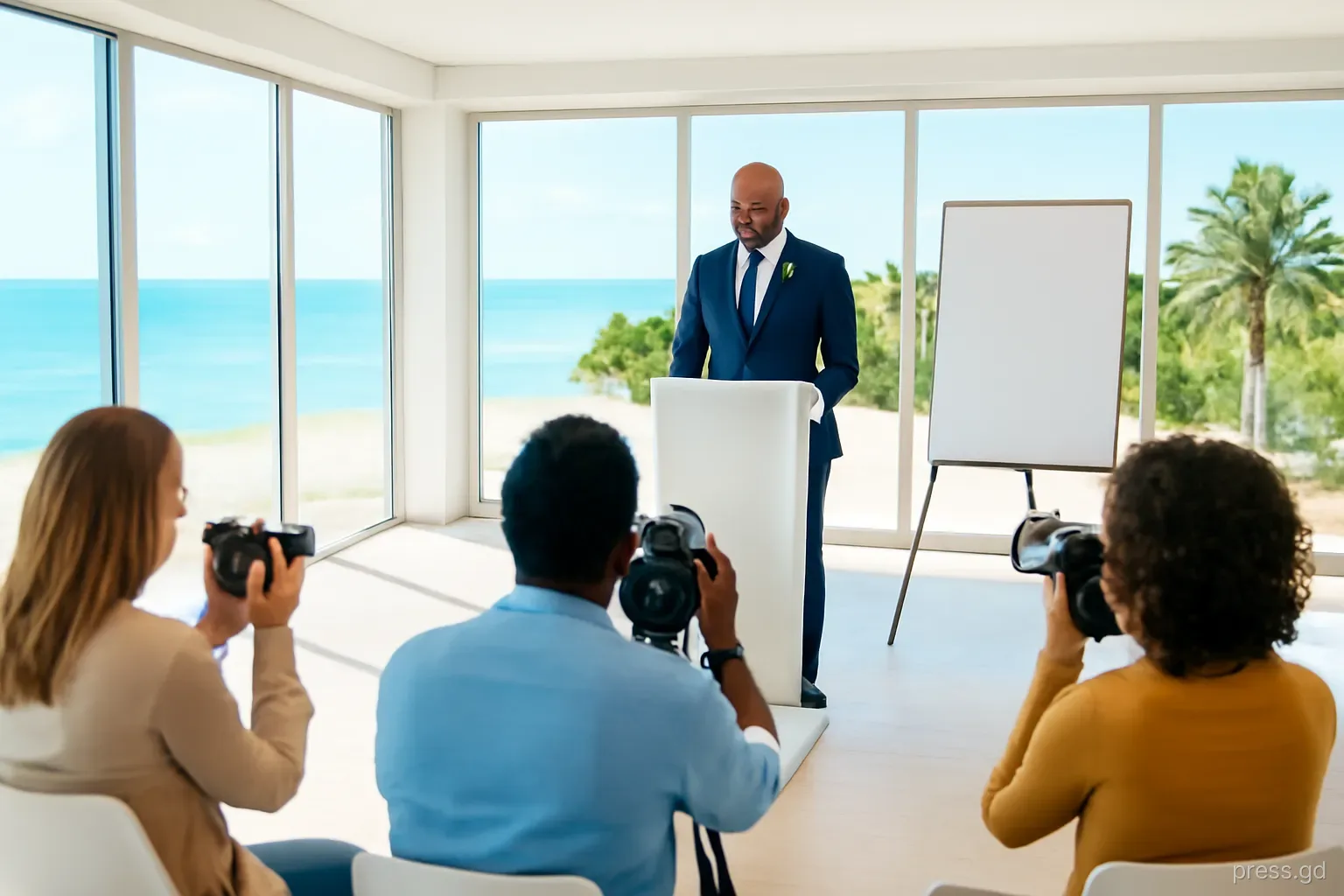
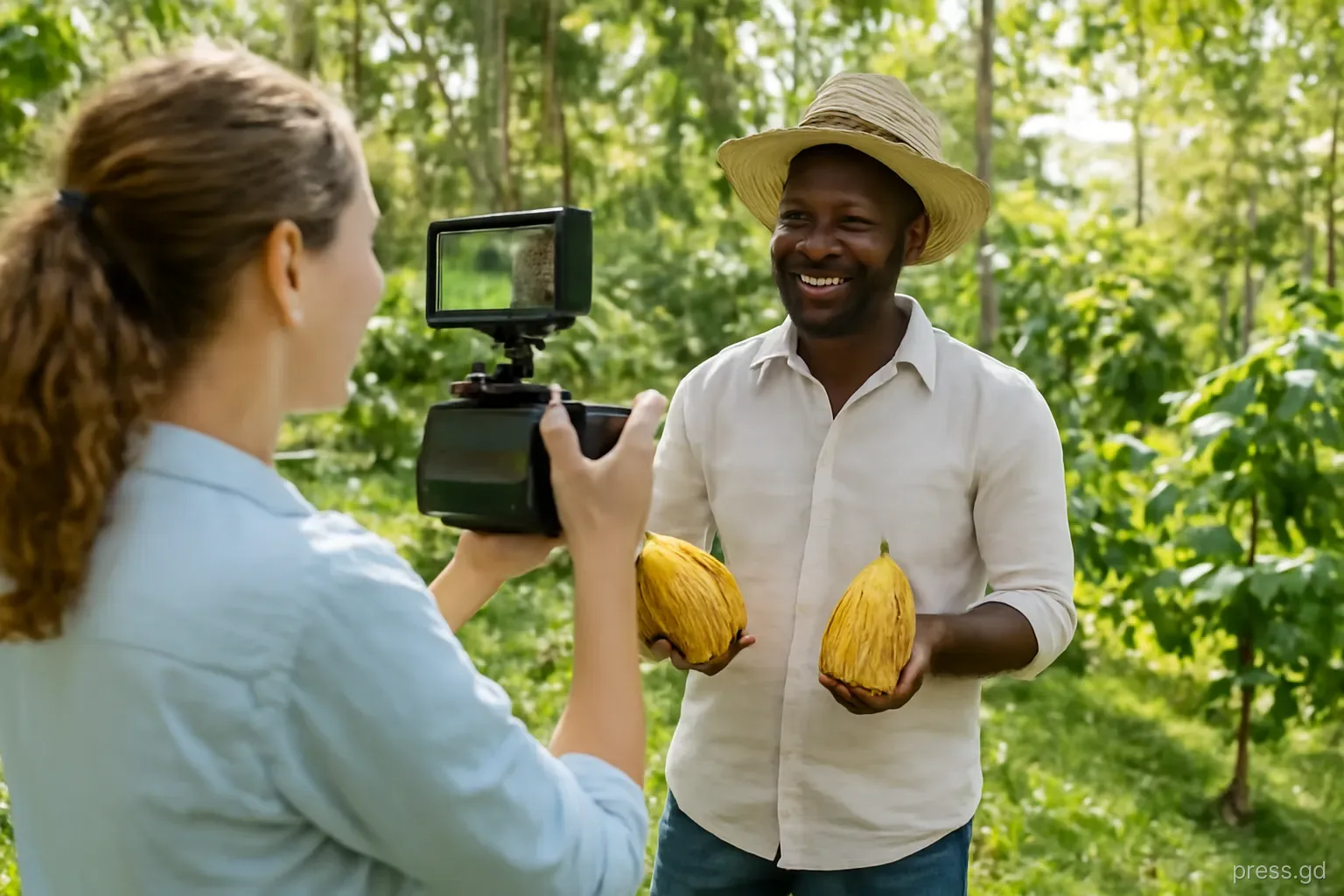
Some Grenadian stories deserve an audience beyond the island. An athlete's achievement, a cocoa producer winning international recognition, a scientific project on reef restoration, a new direct flight or a recovery effort after a hurricane can interest Caribbean neighbours, Grenadians living abroad and international readers.
Reaching those audiences works differently from local media relations. Regional outlets need a Caribbean angle, diaspora media want connection to home, and international travel and news media have their own demands and long lead times. This guide explains how each works and how to approach them without overselling.
Regional Caribbean media
Caribbean news travels through a network of national outlets that pick up each other's stories, along with regional news services such as the Caribbean Media Corporation, which distributes news across the region. Stories from Grenada can appear in newspapers and on broadcasters in Trinidad and Tobago, Barbados, Jamaica, St Vincent and the Grenadines, and beyond.
Regional editors look for stories with wider relevance: developments that affect other Caribbean countries, decisions by regional bodies such as CARICOM or the Organisation of Eastern Caribbean States, sports achievements, climate and environment stories, and economic developments such as investment or airline routes.
To reach them, make sure your story is well covered in Grenada first, since regional outlets often pick up local reports. For significant stories, send releases directly to regional newsrooms and correspondents, explaining clearly why the story matters beyond Grenada.
Diaspora media
Large Grenadian communities live in New York, particularly in Brooklyn, in Toronto and other Canadian cities, and in London and other parts of the United Kingdom. They follow news from home closely through Grenadian outlets online, social media and Caribbean community media in their cities, including newspapers, radio programmes and online platforms serving Caribbean audiences.
Diaspora audiences care about stories that connect to home: national achievements, cultural events such as Spicemas, investment and property issues, citizenship and passport matters, education, and the welfare of relatives after disasters. They are also important to Grenada's economy through remittances, tourism visits and investment.
Grenada's embassies, high commissions and consulates abroad, along with diaspora associations, can help spread information to these communities. For events aimed at the diaspora, such as homecoming celebrations, give long notice so people can plan travel.
International travel media
Travel journalists and editors from North America and Europe write about Grenada regularly, focusing on beaches, food, cocoa and nutmeg, diving, sailing, festivals and Carriacou. The Grenada Tourism Authority works with travel media, organising press trips and providing information, and businesses in tourism often work through it or through their own public relations agencies.
Travel media work on long lead times. Magazines may plan features months in advance, so pitching a festival a few weeks before it happens is usually too late. Online travel outlets move faster but still value advance notice.
Travel journalists want specific, accurate experiences and good images. They are wary of exaggerated claims. Offering access to people, such as farmers, chefs, boatbuilders and guides, often produces better coverage than generic promotional material.
Hosting visiting journalists
When a journalist visits Grenada, whether on an organised press trip or independently, the experience shapes the story. Plan a realistic itinerary that allows time to travel between places; journeys that look short on a sketch of the island can take longer on winding roads. Include a mix of experiences, and leave time for the journalist to explore and talk to people independently.
Be clear about what is provided and what is expected. Many international outlets have rules about accepting free travel and hospitality, and some require disclosure in the published piece. Respect those rules, and do not make coverage a condition of hospitality.
Prepare the people the journalist will meet. Farmers, chefs, boatbuilders or community leaders should know who is coming, why, and how the material will be used, and should be comfortable being photographed or quoted.
Sport, science and culture stories
Some of the most successful Grenadian stories abroad have come from sport, culture and science rather than tourism promotion. Achievements by athletes such as Kirani James, Anderson Peters and Lindon Victor have drawn regional and international attention, as have Grenadian chocolate and cocoa, the underwater sculpture park off the west coast, research at St George's University, and climate and marine conservation work.
These stories travel because they have a clear human or scientific angle and connect to wider interests. Organisations with such stories should think about timing, such as linking to international championships, environmental days or festivals, and about providing expert sources who can speak clearly to foreign audiences.
They also benefit from patience. A story placed in a respected regional or international outlet can be cited for years, so it is worth getting the facts, images and sources right rather than rushing.
Timing across time zones and calendars
Grenada is four hours behind GMT and does not observe daylight saving time, so it is one hour ahead of New York in the northern winter and level with it in summer. London is four or five hours ahead depending on the season. Send releases early in the Grenada working day if you want them to catch European editors before they leave, and remember that a late-afternoon release in St George's arrives in the evening in London.
Calendars matter as well. Diaspora communities are most engaged around Independence on 7 February and Spicemas in August, when coverage of home is high. Northern hemisphere travel editors plan winter features in spring and summer. Regional sports coverage peaks around major championships. Aligning your story with these rhythms increases the chance it will be used.
Pitching beyond Grenada
Taking a story abroad is less about volume and more about fit. A handful of well-targeted approaches usually achieves more than a mass mailing to every outlet with Caribbean in its name. A practical approach for organisations taking a story abroad:
- Identify why the story matters to the audience you are targeting: the region, the diaspora or international readers.
- Make sure local coverage and basic facts are in place, so foreign journalists can verify them.
- Prepare material suited to outsiders, explaining context that Grenadian audiences already know, such as where places are and what institutions do.
- Provide high-quality images and, where possible, short video clips, with captions and credits.
- Approach specific journalists or editors who cover relevant subjects, rather than sending mass emails.
- Allow for time differences and lead times, especially for magazines and broadcasters.
- Follow up once, and keep relationships going for future stories.
Explaining Grenada to outsiders
Clarify geography. Many international readers do not know where Grenada is, or confuse it with Granada in Spain or Nicaragua. A short line about its location helps.
Explain the three islands. Grenada, Carriacou and Petite Martinique make up the state. Stories about the sister islands should make that clear.
Give context on currency. The Eastern Caribbean dollar is pegged at EC$2.70 to US$1, which helps readers understand figures.
Avoid clichés. Foreign coverage often falls back on tired phrases about paradise and spice. Specific detail serves your story better.
Check facts carefully. International outlets may repeat errors widely, so make sure names, figures and dates are correct.
Name institutions properly. Explain what bodies such as the Grenada Tourism Authority, the Government Information Service or the Grenada Olympic Committee do, since foreign readers will not know.
Mistakes to avoid
Regional and international journalists receive far more pitches than they can use, and they quickly discard those that waste their time. Common errors when seeking regional or international coverage:
- Pitching purely local stories to international outlets without explaining why outsiders should care.
- Overstating claims, such as calling something the first or best in the Caribbean without evidence.
- Ignoring lead times, particularly for travel magazines.
- Sending low-resolution images or images without permission.
- Forgetting the diaspora, which is often the most engaged audience outside Grenada.
- Neglecting follow-up: foreign journalists who receive prompt, accurate answers are more likely to return.
- Assuming foreign journalists will check basic facts with you. Provide a clear fact sheet so errors are not introduced in editing.
- Treating the diaspora only as a market. Grenadians abroad respond best to stories that respect their connection to home rather than simply selling to them.
Frequently asked questions
How can a Grenadian story reach regional Caribbean media?
Make sure it is covered locally first, then send releases directly to regional newsrooms and correspondents, explaining why the story matters beyond Grenada. Regional news services and national outlets often pick up each other's reports.
Where do most Grenadians abroad live?
Large communities live in New York, particularly Brooklyn, in Toronto and other Canadian cities, and in London and other parts of the United Kingdom. They follow home news closely online and through Caribbean community media.
Who works with international travel journalists in Grenada?
The Grenada Tourism Authority works with travel media, organising press trips and providing information and images. Tourism businesses such as hotels, tour operators and restaurants may also use their own public relations agencies or work with journalists directly.
How far ahead should you pitch travel magazines?
Magazines often plan features several months ahead, so pitching a festival or event a few weeks beforehand is usually too late. Online outlets move faster but still appreciate advance notice.
What do international journalists need from Grenadian sources?
They need accurate facts, context they may not know, good images with permission, and access to people with real stories. Prompt, honest answers build relationships that lead to future coverage.