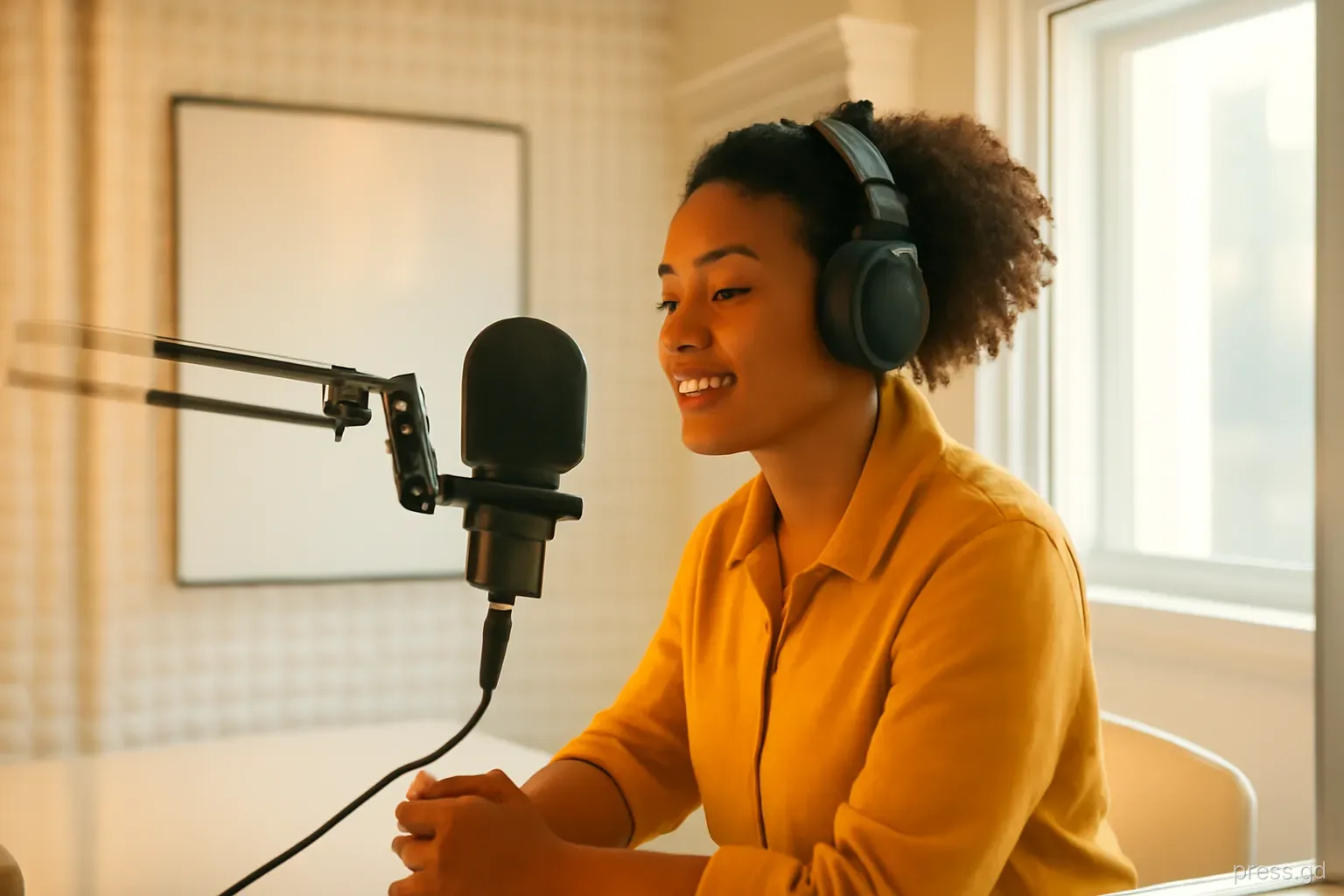

In Grenada, the same story can travel very differently depending on where it lands. A morning radio interview might reach farmers in St Andrew and taxi drivers in St George's within an hour. A television segment gives pictures and faces. A weekly newspaper offers depth and a record that lasts. Online outlets and social media can spread a story across the diaspora by lunchtime.
Each medium has different needs, deadlines and audiences. Organisations that send one generic pitch to everyone often get patchy results. This guide explains what each part of Grenada's media landscape looks for, and how to pitch to it effectively, without overlapping into a full directory of outlets, which changes over time.
Radio: still the backbone
Radio remains central to how many Grenadians get news and discuss public affairs. Stations run regular news bulletins, morning programmes and call-in shows where listeners debate politics, prices, crime and community issues. For organisations, radio offers a direct line to a broad audience, including people who do not read newspapers or follow online news closely.
Radio journalists need sound. A pitch that offers a spokesperson available for a live or recorded interview, or a short audio clip, has a better chance than a written statement alone. Morning shows are particularly valuable for longer conversations, while bulletins use short, punchy items.
Prepare spokespeople for call-in formats. Listeners may ask challenging or off-topic questions, and presenters often push for clear answers. Being calm, factual and respectful on air tends to win more sympathy than defensiveness.
Television: pictures and people
Grenada has a small number of television stations, including GBN, the Grenada Broadcasting Network, and Meaningful Television, a private station founded in 1997, along with the Government Information Service, which produces government programming. Television newsrooms are small and often cover several stories a day with limited crews.
Television needs pictures. A pitch should explain what a camera will be able to film: people at work, an opening, a performance, a demonstration, a farm, a classroom. A story that is only talking heads in an office is less attractive. Offer a clear time and place, and keep the event moving so crews can get what they need and leave for their next assignment.
Some television stations also run magazine and talk programmes where guests are interviewed at length. These are good for explaining complex issues, but they require preparation. Find out the format and length beforehand, and bring visual material if the programme can use it.
Newspapers: depth and record
Grenada's newspapers, including long-established weeklies such as The New Today, publish news, analysis, opinion and letters. They are read closely by people who follow politics and business, and they provide a lasting record that is often cited later. Many also publish online.
Newspapers can take more detail than broadcast outlets. A pitch might offer documents, figures, background briefings or access to people who can explain an issue in depth. Weekly deadlines mean planning ahead: a story pitched the day before publication may be too late.
Opinion pages and letters sections are another route. A well-argued opinion piece from a credible author can reach decision-makers, though editors will expect it to be original, relevant and clearly written. Do not send the same piece to several papers at once without telling them.
Online outlets and social media
Online news sites such as NOW Grenada and the Grenada Informer, together with the websites and social media pages of broadcasters and newspapers, publish stories quickly and reach Grenadians at home and abroad. Many people now encounter news first through social media feeds, often shared in messaging groups.
Online outlets need speed and shareable material: clear facts, good photos, sometimes short video. They may publish a release quickly, sometimes with minimal editing, which makes accuracy in the original material crucial.
Social media can amplify a story but also distort it. A misleading headline or unverified claim can spread widely before corrections catch up. Organisations should monitor how their stories are shared and be ready to correct errors politely and quickly.
Know the journalist before you pitch
In a small country, the same journalists cover many beats. A reporter may handle politics on Monday, agriculture on Tuesday and sport on Wednesday. That makes personal knowledge of their work valuable. Before pitching, read, listen to or watch what they have produced recently. A pitch that shows you understand their interests and audience is far more likely to succeed than a mass email.
Some journalists specialise more than others. Sports reporters follow athletics, cricket and football closely. Business and economics coverage often concentrates around budget time and major investment announcements. Arts and culture reporters are busiest around Spicemas and other festivals. Matching your pitch to the right person saves everyone time.
Remember too that many Grenadian media workers are freelancers or work for several outlets at once. A single journalist may file for a newspaper, a regional outlet and an online site. Treat them as professionals with limited time, and be clear about what you are offering.
Building relationships without crossing lines
Good media relations in Grenada depend on trust built over time. Respond promptly to journalists' questions, even when the answer is that you cannot comment. Provide accurate information and admit when you do not know something. Thank journalists for fair coverage, and raise concerns about errors politely and with evidence.
There are lines not to cross. Offering gifts, payments or favours in exchange for coverage undermines journalistic independence and can embarrass both sides if it becomes known. Pressuring a journalist through their employer, a politician or an advertiser is likely to backfire. Equally, journalists should declare and manage their own conflicts of interest; if you see a conflict, raise it with the editor.
Professional bodies such as the Media Workers Association of Grenada exist to represent journalists and promote standards. Organisations that work regularly with the media benefit from understanding those standards and respecting them.
A simple pitching routine
Pitching does not need to be complicated, but it does need to be tailored. A practical routine:
- Decide what your story is in one sentence, and why it matters to people in Grenada.
- Choose the outlets whose audiences care most about it, rather than sending it to everyone.
- Tailor the pitch: sound for radio, pictures for television, depth for newspapers, speed and images for online.
- Send a short email to a named journalist or editor, with the release and key details in the body.
- Offer a spokesperson and specific availability, and make sure they can actually be reached.
- Follow up once if needed, politely, and accept that editors may decline.
- After coverage, thank the journalist and note what worked for next time.
Mistakes to avoid when pitching
Small newsrooms notice careless pitching quickly, and in a country this size, reputations travel between outlets. Editors talk to each other, and an organisation known for wasting journalists' time will find it harder to get attention when it has real news. Common mistakes include:
- Sending the same generic release to every outlet without considering what each needs.
- Pitching television with no visual element, or radio with no one available to speak.
- Ignoring deadlines, particularly for weekly newspapers.
- Offering exclusives to more than one outlet at the same time.
- Assuming that a political or commercial relationship with a station guarantees coverage.
- Reacting angrily when a story is not covered or when coverage includes critical questions.
- Sending pitches on the morning of an event and expecting crews to rearrange their day.
- Overstating the significance of a story; editors quickly learn which organisations exaggerate.
- Forgetting Carriacou and Petite Martinique. Stories that affect the sister islands should say so clearly, since outlets try to serve those communities too.
Frequently asked questions
Which media reach the most people in Grenada?
Radio remains very influential, especially through news bulletins and call-in shows, while television, newspapers and online outlets each reach important audiences. Social media and messaging apps now spread stories quickly, including to Grenadians overseas.
How should you pitch a story to Grenadian television?
Explain clearly what the camera can film, offer a specific time and place, and make a spokesperson available. Stories with action, people and visual interest are much more attractive than talking heads in an office.
Do Grenadian newspapers accept opinion pieces?
Many publish opinion pieces and letters. Editors expect original, relevant and well-written submissions from credible authors. Check each paper's approach and avoid sending identical pieces to several outlets at once without saying so.
Should you offer an exclusive to one outlet?
Exclusives can work for significant stories, but offer them to one outlet only and make the terms clear. Offering the same exclusive to several outlets damages trust and can backfire.
How do you prepare for a radio call-in programme?
Know your facts, prepare key messages, and expect challenging or unexpected questions from listeners. Stay calm and respectful on air, and avoid arguing with callers even when they are critical.