
A journalist calls at four in the afternoon. They are running a story about your hotel, festival or charity in tomorrow's bulletin and need a photo, the correct spelling of your director's name and a couple of facts. If those are ready to send in five minutes, you are likely to be represented accurately. If not, the story may run without you, or with errors.
That is what a media kit is for. It is a ready-made package of information and images about your organisation, designed to make journalists' work easier. In Grenada, where newsrooms are small and deadlines tight, a good kit can make the difference between coverage and silence. This checklist sets out what to include, what to leave out and how to keep it useful.
The core contents
Every media kit should contain a few essentials, kept in a shared folder that can be emailed or linked to at short notice:
- A one-page fact sheet: what the organisation does, when it was founded, where it operates, how many people it employs or serves, and any key facts journalists often ask about.
- Short biographies: one paragraph each for the leaders most likely to be quoted, with correct names, titles and spellings.
- High-resolution photos: portraits of key people, images of the premises or activities, and event photos, each with a caption and photographer credit.
- Your logo: in standard formats and in colour and black-and-white versions, for outlets that need it.
- Recent releases: the latest few press releases, so journalists can see what you have announced.
- Contact details: the name and email of the person who handles media enquiries, and a backup.
Writing a fact sheet that helps
The fact sheet is the most used part of any media kit. It should be factual and concise, ideally a single page. Begin with a short description of what the organisation is and does, in one or two sentences a journalist could paste into a story. Then list key facts: location, year established, main services or activities, scale of operations and leadership.
Include only facts you can support. If you claim to be the largest employer in a parish or the oldest business of your type in Grenada, be sure it is true and be ready to show how you know. In a small country, inaccurate claims are quickly challenged, sometimes on air.
Update the fact sheet regularly. Numbers change, leaders move on and services evolve. An outdated fact sheet that lists a former manager or a closed location can cause embarrassing errors. Put a date at the bottom so you and others can see when it was last reviewed.
Photos: the part most kits get wrong
Quality matters. Phone photos can work if they are sharp, well lit and high resolution, but blurry or dark images will not be used. For important portraits, a professional photographer is worth the cost.
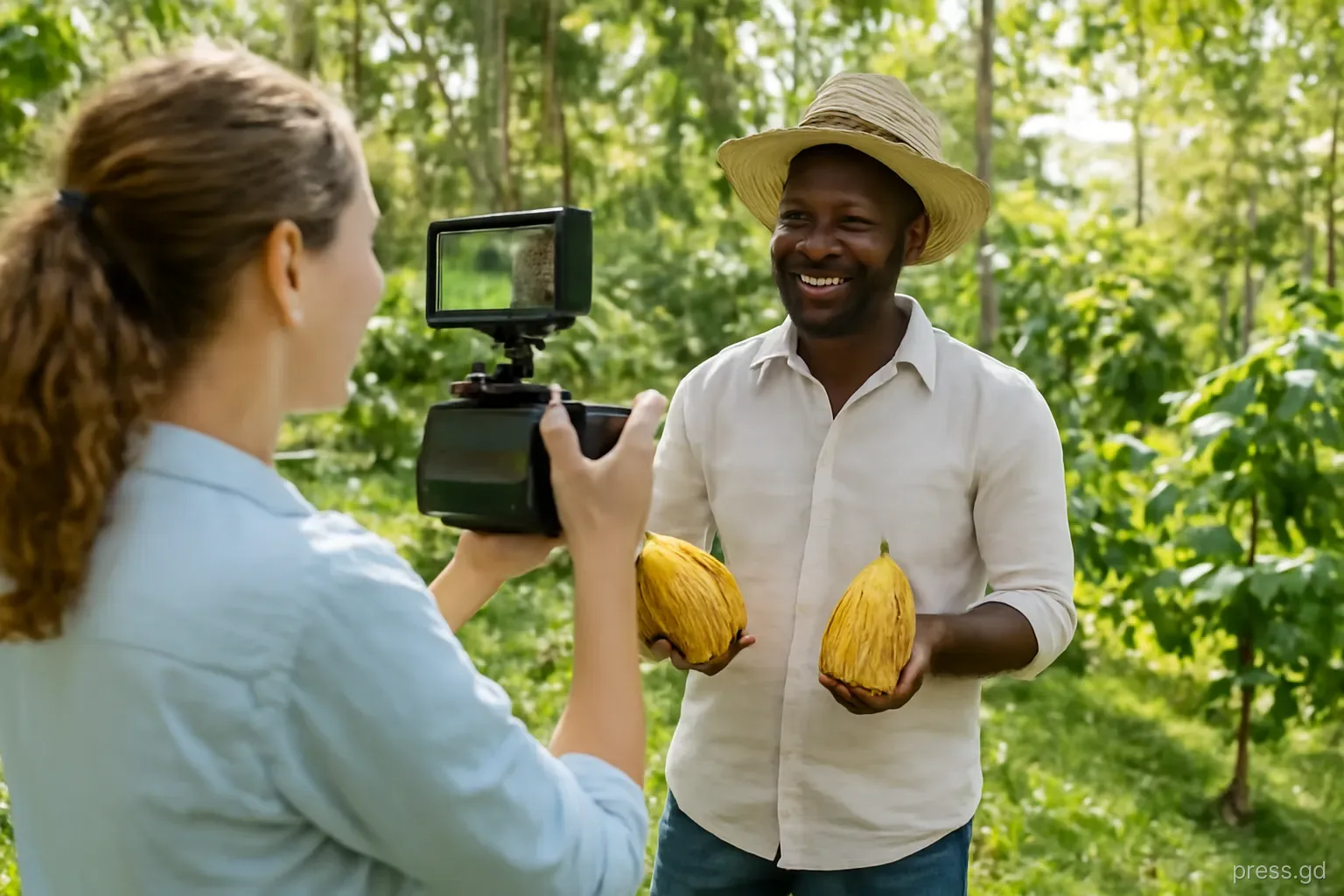
Show activity. Images of people doing something, such as cooking, teaching, building or playing, are more useful than posed group shots or empty buildings.
Consider format. Online outlets often use landscape images, while social media may favour square or vertical formats. Offering a few options helps.
Credit and permission. Make sure you own the photos or have permission to share them, and that people in them have agreed to appear. Provide the photographer's name for credit.
Avoid dated images. Old photos showing previous staff, damaged premises before repairs, or outdated branding can mislead. Refresh images at least once a year.
Key messages and spokespeople
A good kit includes a short internal document, not for publication, setting out your key messages: the three or four points you want people to understand about your organisation. This helps anyone who speaks to the media stay consistent, and it is useful when preparing for interviews.
Decide in advance who speaks for the organisation. In many Grenadian organisations, the founder or chair is the natural spokesperson, but they may not always be available. Identify at least one backup, and make sure both understand the key messages and are comfortable on radio and television.
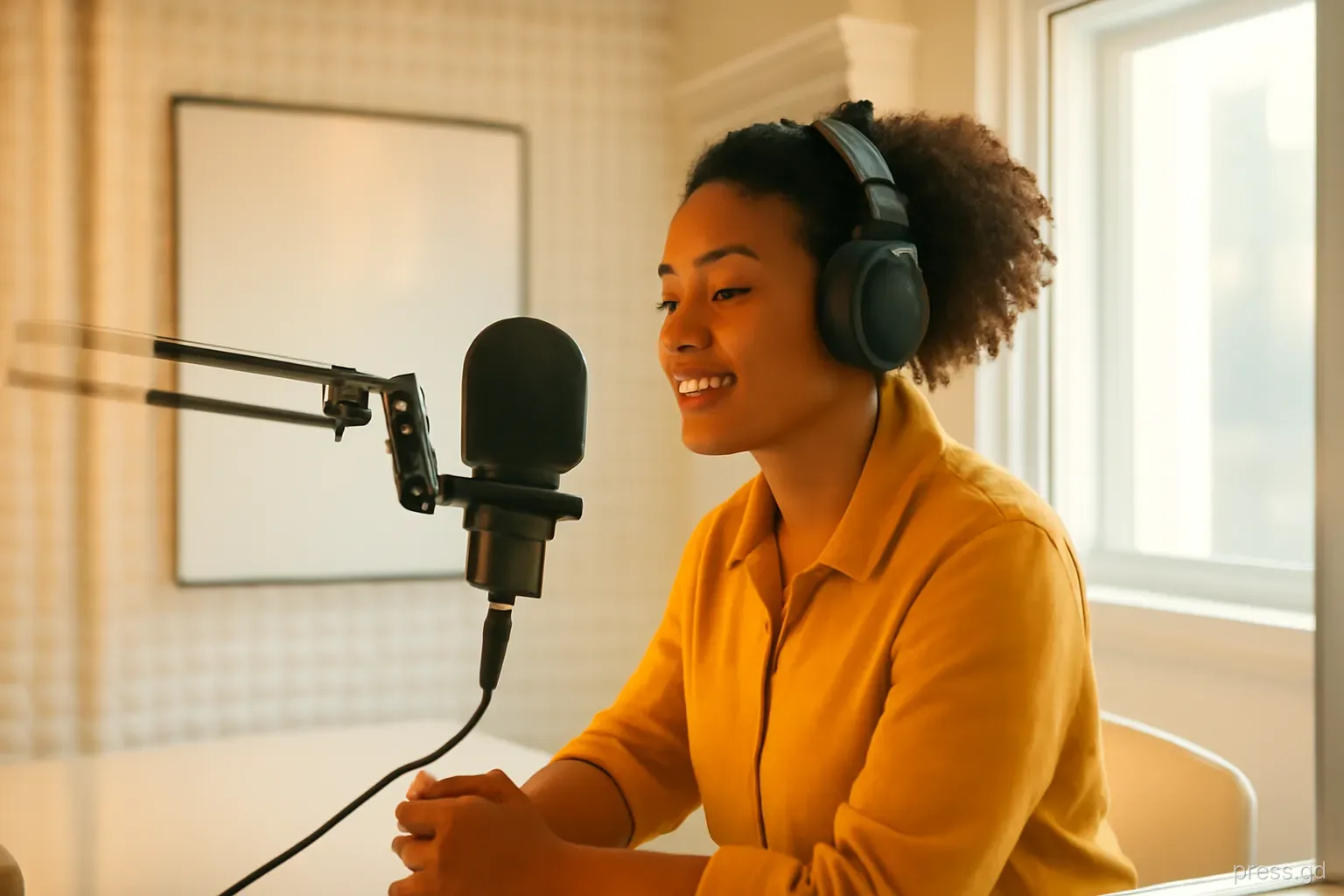
Radio interviews are particularly important in Grenada. Call-in programmes and morning shows give organisations a chance to explain themselves at length, but they can also bring unexpected questions from listeners. A spokesperson who knows the facts and stays calm will do much better than one improvising from memory.
Event kits: extra items
For events such as festivals, sports tournaments, conferences and product launches, the media kit needs additional material. Include the schedule, venue details, accreditation procedures for media, parking or access arrangements, and contact details for on-the-day queries. If the event involves international guests or performers, add short biographies and approved photos for each.
Think about logistics. Will journalists need a quiet space to file stories, a power supply for equipment, or a place to conduct interviews? Will photographers have access to the front of a stage or a finish line? Spelling these out in advance avoids confusion on the day.
For major events, such as those during Spicemas or large sporting fixtures at the national stadium, coordinate with organisers and authorities on media access well in advance. Accreditation procedures may be set by the main organiser rather than by individual participants.
An online press page
Many organisations now keep a simple press or media page on their website, containing the fact sheet, current photos, recent releases and the media contact. This saves time: instead of attaching files to every email, you can point journalists to a single place. It also helps journalists who come across your organisation independently, including regional and international reporters researching Grenada.
Keep the page simple and fast to load, since many readers will open it on a phone and mobile data can be slow in parts of the country. Make photos downloadable in high resolution, with captions alongside. Avoid requiring journalists to register or request access for basic material.
If you do not have a website, a well-organised shared folder can do the same job. What matters is that the material is current, easy to find and ready to use, and that someone is responsible for keeping it that way.
Common mistakes
Media kits often fail for avoidable reasons:
- Making the kit a glossy brochure full of marketing language rather than facts journalists can use.
- Hiding it behind a login or sending it as an enormous file that will not open on a phone.
- Including photos without captions, leaving editors guessing who is pictured.
- Failing to update after leadership changes, rebranding or major events such as hurricane damage and repairs.
- Listing a contact person who rarely checks email or is often off island.
- Producing a kit only in print. Most Grenadian journalists now expect digital files they can use immediately.
- Mixing internal documents, such as key messages or draft plans, into the folder sent to journalists.
- Forgetting to include basic orientation for visiting journalists, such as how to reach a rural site in St Patrick or on Carriacou.
Keeping the kit useful over time
A media kit is not a one-off project. Assign someone to review it every few months and after any significant change. Keep an archive of past releases and photos, but make sure the current kit shows only up-to-date material.
It also helps to track how the kit is used. Note which journalists request it, what they ask for and what they publish. Over time, that tells you which items are most useful and which can be dropped. Small organisations sometimes find that a clear fact sheet and three good photos are worth more than a large, elaborate package.
Finally, keep a short log of the questions journalists ask most often. If the same question comes up repeatedly, the answer belongs on the fact sheet. Over a year, that habit turns a basic kit into a resource that answers most enquiries before anyone has to pick up the phone.
Frequently asked questions
What is the difference between a media kit and a press release?
A press release announces specific news, such as an event or appointment. A media kit is a standing package of background information, photos and contacts that helps journalists cover your organisation accurately at any time.
Does a small business in Grenada need a media kit?
Even a simple kit helps. A one-page fact sheet, a few good photos, short biographies of the owner or manager, and a reliable contact can make it much easier for journalists to feature a small business accurately.
Should a media kit be printed or digital?
Digital is now standard. Keep the kit in a shared folder or as a set of files you can email quickly. A printed version can be useful at events, but journalists generally prefer files they can use immediately.
How often should a media kit be updated?
Review it at least every few months and immediately after significant changes, such as new leadership, new services, rebranding or major damage and repairs. Date the fact sheet so everyone can see how current it is.
What photos should a media kit include?
Include sharp, high-resolution portraits of key spokespeople and images of your premises or activities, ideally showing people at work. Add captions, credit the photographer, and make sure you have permission from everyone pictured.