Ask a Grenadian economist what keeps the lights on and the answer usually starts with visitors. Tourism, together with the spending of St George's University students and staff, is the country's largest source of foreign exchange, and foreign exchange is what pays for the imported fuel, food, vehicles and building materials that a small island cannot make for itself. When arrivals fall, the effect reaches far beyond hotel workers: taxi drivers, farmers who supply kitchens, construction crews and the government's own revenue all feel it within months.
Yet "tourism" is not one industry. A family staying ten nights at a resort on Grand Anse, a cruise passenger ashore for six hours, and a sailing couple sitting out the hurricane season in a bay on the south coast each inject money into the economy in very different amounts and through very different channels. Understanding those differences explains a great deal about Grenadian policy debates, from airport incentives to marina investment.
Why visitor spending matters more than its share of jobs suggests
Grenada uses the Eastern Caribbean dollar, fixed at EC$2.70 to US$1 since 1976 and managed by the Eastern Caribbean Central Bank for eight member economies. A fixed exchange rate only holds if the region as a whole earns enough hard currency to back it. Each member contributes to that pool through exports of goods and services, and for Grenada the biggest single contributor is services sold to foreigners: accommodation, meals, tours, marina berths and, increasingly, education.
That is why tourism figures appear so prominently in budget speeches and Central Bank reports. A season with strong arrivals improves the balance of payments, lifts VAT and other tax receipts, and supports bank deposits. A weak season does the opposite, and because the economy is small and open, the swing shows up quickly in construction activity, credit growth and the government's fiscal position.
Tourism also sets wages and expectations in the wider labour market. Hotel and restaurant work is often the first formal job for school leavers, and the skills it builds, from customer service to food safety, travel into other sectors. At the same time, many tourism jobs are seasonal or tied to a single large employer, which makes household incomes more fragile than the headline numbers imply.
Three kinds of visitor, three different economies
Stayover visitors. These are guests who sleep at least one night on the island, in hotels, guesthouses, villas or with family. They account for the large majority of tourism spending because they pay for accommodation and buy several meals, excursions and services every day. Their main source markets are the United States, the United Kingdom, Canada and the wider Caribbean, and their numbers depend heavily on how many airline seats are scheduled into Maurice Bishop International Airport.
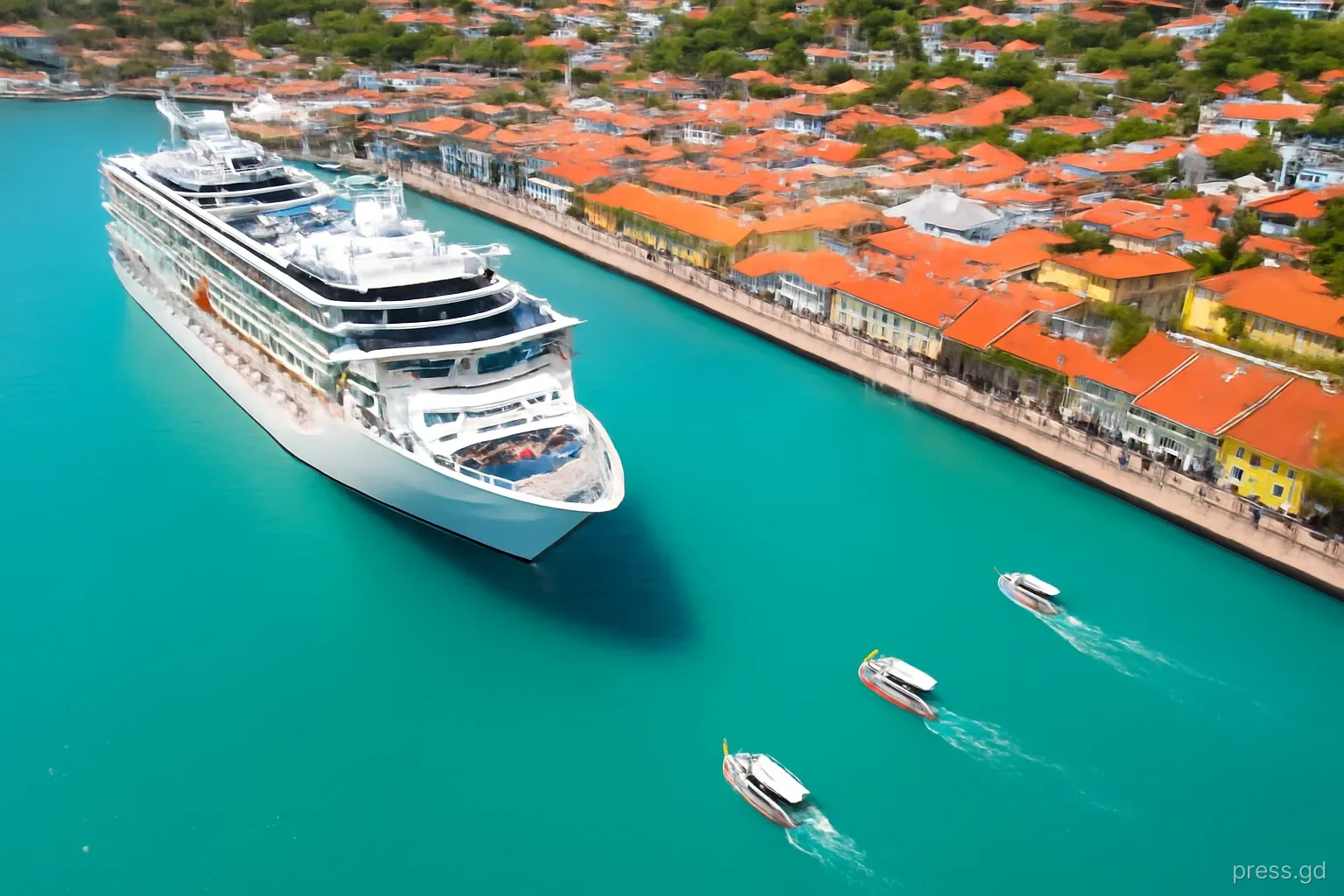
Cruise passengers. Cruise calls at the terminal in St George's can bring several thousand people ashore on a single winter day, which is highly visible on the Carenage and at Grand Anse. Spending per passenger is far lower, however, because meals and beds are already paid for on board and part of the shore excursion money stays with the cruise line. The benefits are concentrated among taxi and tour operators, vendors and attractions within easy reach of the port.
Yachts and their crews. Grenada sits near the southern edge of the Atlantic hurricane belt, and many insurers treat waters south of a set latitude more favourably during the season. As a result, boats gather in the bays of St George and St David, and at Carriacou, for months at a time. Long-staying crews spend on haul-out, repairs, rigging, provisions and marina fees, supporting a skilled boatyard trade that is less seasonal than hotels.
Diaspora and event visitors. Grenadians living abroad return in large numbers for Spicemas in August, Christmas and family occasions. Many stay with relatives, so they barely register in hotel occupancy, but they spend heavily in shops, bars and fetes and often bring goods and cash for family.
Where a tourist dollar goes, and where it leaks away
Economists use the word "leakage" for the share of visitor spending that leaves the country again almost immediately. On a small island with limited agriculture and manufacturing, leakage is unavoidable. A resort buys imported beef, wine, linen, air-conditioning parts and fuel; a foreign-owned hotel may send profits and management fees abroad; and an international booking platform keeps its commission offshore. Estimates for Caribbean economies vary widely, and no single figure should be treated as settled for Grenada.
What stays behind is still substantial: wages for local staff, payments to Grenadian suppliers and contractors, rent, taxes such as VAT and accommodation levies, and the spending of guests outside the hotel gate on taxis, tours, restaurants, spices and crafts. The policy question is how to raise that local share. Common approaches include encouraging hotels to buy from Grenadian farmers and fishers, supporting locally owned guesthouses, and promoting experiences such as estate tours, waterfall hikes and Fish Friday in Gouyave, where spending goes straight to small operators.
This is also why all-inclusive resorts provoke debate. They can fill rooms reliably and fund marketing, but critics argue that guests who rarely leave the property spend less in the wider economy. Supporters reply that the jobs and tax revenue are real and that well-run resorts do buy locally. Both points can be true at once, and the balance differs from property to property.
Seasons, airlift and the arithmetic of seats
The traditional high season runs from mid-December to April, when North American and European winters drive demand and cruise schedules are busiest. Summer is quieter for hotels, though August brings the Carnival surge and the yachting community stays through the hurricane months. Hotels plan staffing, maintenance and renovation around these swings, which is one reason tourism employment is so variable through the year.
Because almost every stayover visitor arrives by air, the number of scheduled seats from Miami, New York, Toronto, London and regional hubs is one of the most important variables in the economy. Airlines add or cut routes based on expected profitability, and Caribbean governments often compete for them with marketing support or guarantees. When a carrier drops a route, the loss of seats can outweigh any amount of promotion.
The Grenada Tourism Authority markets the destination abroad and works with airlines and tour operators, while the ministry responsible for tourism sets policy and incentives. Data on arrivals is collected at ports of entry and published through official statistical releases, which is the place to look rather than relying on promotional summaries.
Shocks that showed how exposed the system is
Recent history offers several stress tests of Grenada's visitor economy, each revealing a different weak point.
- Hurricane Ivan, September 2004. Damage was estimated at roughly twice the size of the annual economy. Many hotels closed for repairs, and the recovery took years, made harder when Hurricane Emily struck the following July.
- The global financial crisis of 2008–09. Falling demand from North America and Europe cut arrivals and stalled several construction projects, contributing to the debt problems that followed.
- The COVID-19 pandemic. Border closures in 2020 brought stayover tourism and cruise calls close to zero, while St George's University moved teaching online. Few events demonstrated more clearly how much of the economy rests on visitors and students.
- Hurricane Beryl, July 2024. The storm devastated Carriacou and Petite Martinique, damaging guesthouses, homes and infrastructure that their small tourism economies depend on. Mainland Grenada's hotel sector was far less affected, which shows how local the impact of a single storm can be.
- Sargassum seaweed. Periodic influxes on Atlantic-facing coasts create clean-up costs and can deter guests from affected beaches, a newer and less predictable pressure.
How to read tourism figures without being misled
Count spending, not just people. A record cruise season can coexist with flat stayover numbers. Because cruise passengers spend far less per head, total arrivals are a poor guide to economic impact. Look for stayover figures and estimated visitor expenditure.
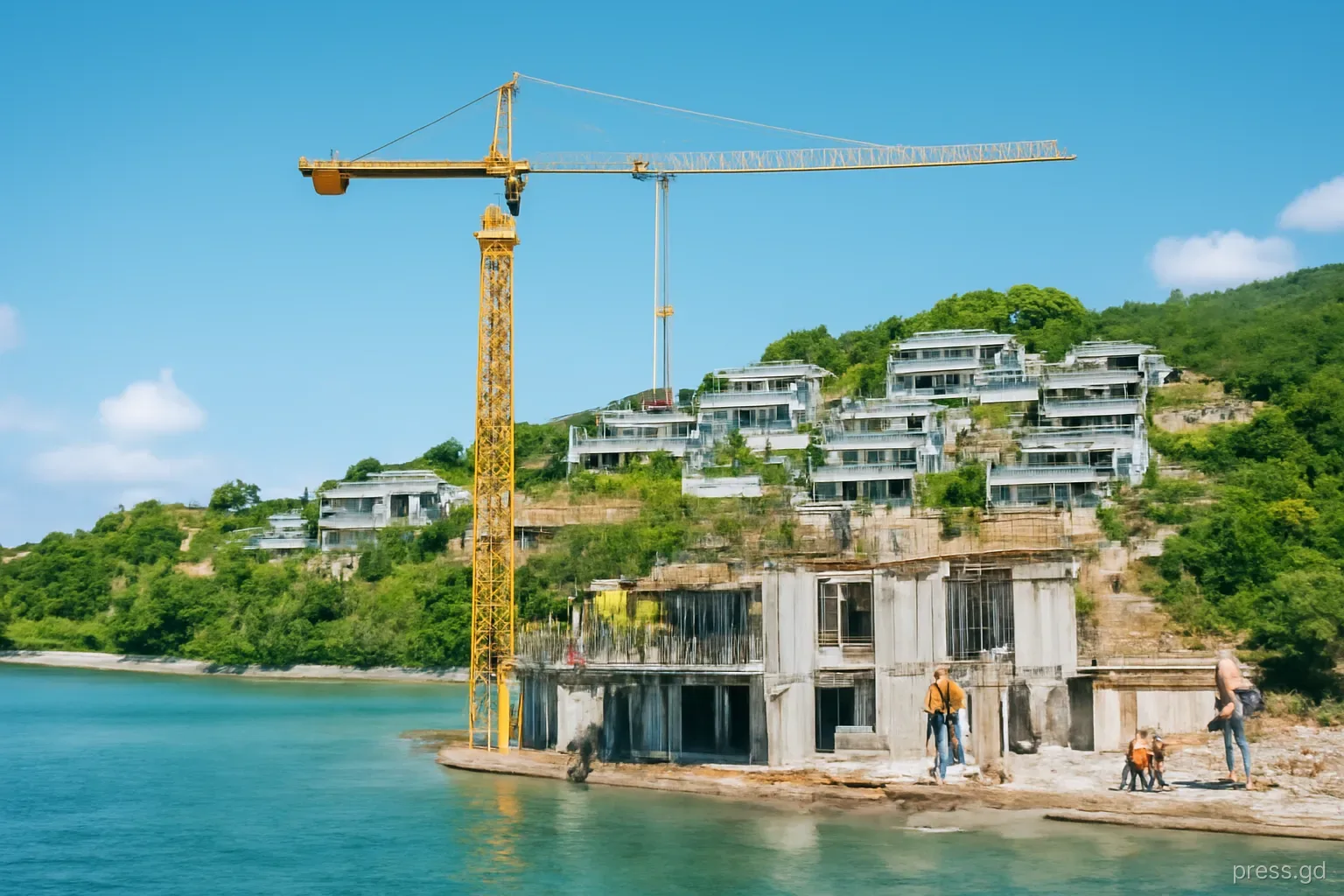
Announcements are not openings. New hotel projects are frequently announced, sometimes linked to the citizenship by investment programme. Until a property is built and trading, it adds construction activity but not tourism revenue.
Watch the linkages. The most useful question about any new resort is how many Grenadians it will employ year-round and how much it will buy locally, not simply how many rooms it adds.
Compare like with like. Arrivals in a year that followed a hurricane or a pandemic will look spectacular in percentage terms simply because the base was low. Comparing with the last normal year, rather than the previous one, gives a fairer picture of whether the industry is actually growing.
Frequently asked questions
Is tourism the biggest part of Grenada's economy?
Tourism and related services, including spending connected with St George's University, are the largest earners of foreign exchange. Measured as a share of total output, other activities such as construction, retail and government services are also significant, so tourism is best described as the main driver rather than the whole economy.
Do cruise passengers help the Grenadian economy?
They do, but less per person than overnight visitors. Their spending is concentrated among taxi and tour operators, vendors and attractions near St George's. Port fees and passenger charges also bring in government revenue, though the totals are modest compared with stayover tourism.
Why do yachts spend the hurricane season in Grenada?
Grenada lies near the southern edge of the main hurricane zone, and many marine insurers set more favourable terms south of a particular latitude. That encourages owners to keep boats in southern bays and boatyards, creating year-round demand for repair and marina services.
What is tourism leakage?
Leakage is the part of visitor spending that leaves the country again, for example through imported food and supplies, profits sent to foreign owners or commissions kept by overseas booking platforms. It is high on most small islands, so policies aim to increase local purchasing and ownership.
Where can reliable Grenada tourism statistics be found?
Arrival figures are compiled from immigration data and published through official channels, including the government statistics office, the Grenada Tourism Authority and the Eastern Caribbean Central Bank, which reports regional tourism indicators in its economic reviews.