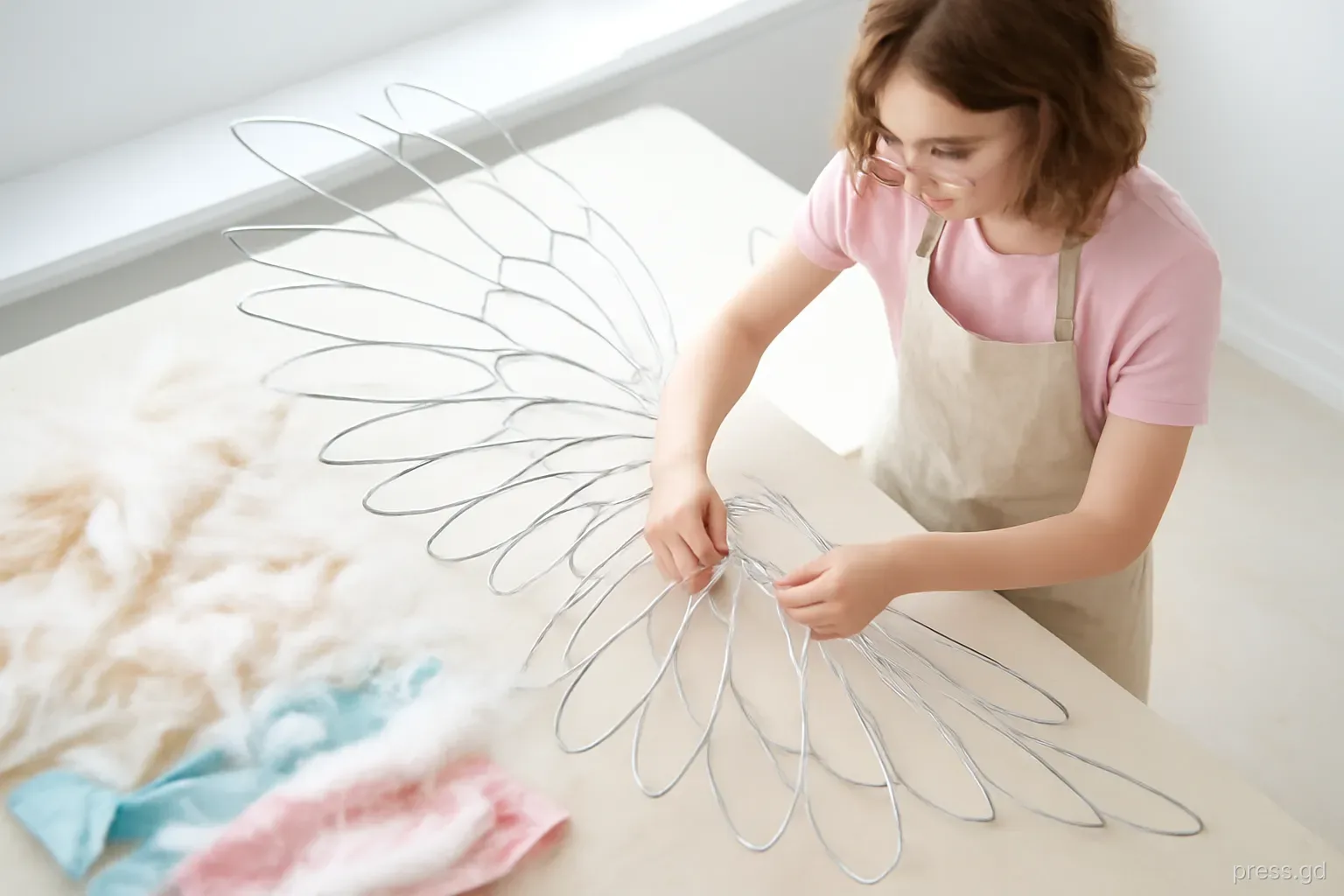
On Carnival Tuesday in St George's, the bands that cross the stage look effortless: blocks of masqueraders in coordinated colour, feathers and beadwork, with a towering individual costume leading the section. What the crowd does not see is the months of work behind each band, in workshops where designers sketch, wire-benders shape frames, sewers stitch and volunteers glue sequins late into the night.
These workshops are called mas camps, and they are where carnival becomes a craft. This explainer looks at how a Spicemas band moves from theme to costume, the skills involved, how the big individual costumes are built for the King and Queen competition, and the tensions between traditional artistry and the mass-produced costumes that now dominate many bands.
From theme to sketch
Every band starts with a theme. A band leader, often with a designer or a small committee, chooses a concept that can be expressed in sections: a period of history, a natural world, a mythology, a social message or simply a palette of colours. Grenadian bands have drawn on the island's own heritage, spices, sea life and folklore, as well as on fantasy and international imagery.
Designers then translate the theme into section designs, each a variation that will be produced in quantity, and into individual costumes for the band's king, queen and featured characters. Sketches go through rounds of revision to balance visual impact, cost, weight and the practicalities of a masquerader spending many hours dancing in the sun.
Once designs are fixed, prototypes are made and shown at a band launch, where masqueraders choose and register for a section. Registration income is essential to most bands' finances, so the launch is both an art presentation and a sales event.
The skills inside a mas camp
Wire bending. The structural backbone of large costumes. Wire-benders shape frames for headpieces, backpieces and the huge individual costumes, balancing strength with lightness so that a masquerader can carry and move the piece.
Sewing and fitting. Section costumes need dozens or hundreds of identical garments, adjusted for different body types. Seamstresses and tailors are among the busiest people in carnival season.
Decoration. Feathers, sequins, beads, foil, fabric paint and found materials are applied by hand. This is where volunteers and family members often join in.
Engineering for the road. Big costumes may use wheels, harnesses and counterweights. Wind is a constant threat, and builders test movement long before the parade.
Logistics. Ordering materials, many imported, managing timelines and distributing costumes to masqueraders demand organisational skill as much as artistry.
Kings, queens and the individual costume
The most spectacular objects in Spicemas are the individual costumes entered in the King and Queen of the Bands competition. These can be enormous: multi-level structures of wire, fabric and decoration carried or pushed by a single masquerader, designed to tell a story through movement and form. On stage, the performer must bring the costume to life, making it sway, spin and open out before the judges.
Judges typically consider design, construction, colour, portrayal and the performer's presentation. A great individual costume combines artistic vision with sound engineering; a beautiful piece that cannot move well will not win, and one that collapses in the wind cannot compete at all.
The King and Queen show is held in the carnival build-up, with the winning costumes often appearing again on the road on Carnival Tuesday. For many builders, these costumes are their main creative statement of the year, and some return season after season with ever more ambitious work.
Pretty mas, traditional mas and the shift in carnival art
Grenada's carnival has two broad families of masquerade. Traditional mas includes the characters with deep local roots, such as the jab jab and the short knee, whose costumes and performances carry history and meaning. Pretty mas, or fancy mas, refers to the colourful themed bands of the Tuesday parade, the ones most visitors picture when they think of carnival.
In recent decades, pretty mas across the Caribbean has shifted towards the bikini-and-beads style popularised in Trinidad: lighter, more revealing costumes, often partly manufactured abroad and assembled locally. These are cheaper to wear, easier to dance in and popular with younger masqueraders, but critics argue that they reduce opportunities for local craftspeople and narrow the visual storytelling that once made each band distinct.
Many Grenadian bands now mix approaches, with lighter costumes for most sections and more elaborate pieces for frontline sections and individuals. The debate continues each year in the press and on radio, and it touches on questions of identity, commerce and what carnival is for.
What masqueraders should know before choosing a costume
Playing mas in a band is a rewarding way to experience Spicemas, but a few practical points save disappointment.
- Register early. Popular sections fill quickly after band launches, and late registration may mean fewer choices or higher prices.
- Ask what is included. Packages vary: some include drinks, food, security and transport on the road; others are costume only. Prices vary widely by band and section and change every year, so confirm in writing.
- Check collection dates. Costumes are usually collected from the mas camp shortly before carnival. Leave time for adjustments.
- Think about comfort. A heavy headpiece or tight footwear can ruin a long day on hot streets. Try pieces on and plan sensible shoes.
- Respect the work. Even mass-produced costumes involve local labour. Handling them carefully and following band instructions on the road helps everyone.
Keeping the craft alive
The skills of the mas camp are mostly learned informally, through apprenticeship and participation. When experienced builders retire or migrate, knowledge can be lost. Cultural organisations, schools and some bands have run workshops in wire bending and costume construction to pass skills on, and junior carnival gives children a chance to wear and make costumes from an early age.
Funding is the perennial issue. Bands depend on registration fees, sponsorship and, at times, state support through carnival prize money and grants. Rising costs of imported materials squeeze budgets, and the temptation to buy ready-made costumes is strong.
Environmental questions have joined the debate as well. Glitter, foam, plastic feathers and single-use decorations pile up after carnival, and some designers and bands have started experimenting with recycled materials, natural fibres and reusable frames. These efforts are still small, but they connect the mas camp to wider conversations about waste on a small island with limited landfill space.
Yet the craft persists because people care about it. Visit a mas camp in July and you are likely to find teenagers, grandparents and professionals working side by side, arguing over colour and laughing at mistakes. The costumes that cross the stage on Tuesday carry all that labour with them.
Monday night mas and the smaller stages
The Tuesday parade gets the attention, but costume craft appears throughout the carnival calendar. Monday night mas, held after dark on Carnival Monday, features masqueraders with lights, glow accessories and illuminated costumes, an entirely different visual challenge in which builders work with batteries, wiring and reflective materials rather than feathers and sequins.
Junior carnival gives schools and youth groups their own stage, often with costumes made by teachers, parents and the children themselves. These bands tend to stay closer to traditional storytelling, with themes drawn from Grenadian history, nature and folklore, and they are where many future designers and builders first pick up wire and glue.
Traditional characters also have their own costume craft. A short knee outfit, with its loose suit, decorated bib and mask, or the deliberately rough look of a jab jab, involves choices about materials and detail that experienced masqueraders take seriously. Recognising this work alongside the big themed bands is part of understanding carnival as an art form rather than simply a party.
Frequently asked questions
What is a mas camp?
A mas camp is the workshop and base of a carnival band, where costumes are designed, built and distributed. It is also a social hub in the weeks before Spicemas, where masqueraders register, collect costumes and volunteers help with construction and decoration.
What is the difference between pretty mas and traditional mas?
Traditional mas refers to historic characters such as the jab jab and short knee, with costumes and performances rooted in local history. Pretty mas, or fancy mas, means the colourful themed bands of the Carnival Tuesday parade, which have grown more commercial in recent decades.
How are the large King and Queen costumes built?
They are built on frames of bent wire and lightweight materials, covered in fabric, feathers, foil and decoration. Builders engineer them for balance and movement, sometimes using wheels or harnesses, so a single performer can carry and animate the costume on stage.
How much does a Spicemas costume cost?
Costs vary widely by band, section and package, from modest costume-only options to premium frontline sections with food, drinks and security included. Prices change every year, so check current rates with the band directly and confirm what the package covers.
Can visitors join a Spicemas band?
Yes. Many bands welcome visitors and Grenadians from the diaspora. Register after the band launch, ideally early, confirm what is included, and arrange to collect your costume from the mas camp in good time before Carnival Tuesday.