On the northern tip of Grenada, behind the Roman Catholic church in Sauteurs, a steep headland drops to the rocks and sea below. The French called it Le Morne des Sauteurs, the hill of the leapers, and the town took its name from the event that gave the hill its name: the death of a group of Kalinago (Island Carib) people who, according to the colonial accounts, threw themselves from the cliff rather than be captured by French troops.
It is the founding trauma of colonial Grenada, retold in school, in calypso and at the annual commemorations held on the site. It is also an event known almost entirely through the words of the people who carried out the attack. Understanding Leapers' Hill means separating what the sources actually record from what later tradition has added, and being honest about the gaps.
Grenada before the French arrived
When Europeans began trying to settle the southern Windward Islands in the early seventeenth century, Grenada was home to Kalinago communities who had long used the island, known to them by a name usually written as Camáhogne. They farmed cassava and other root crops, fished, travelled by large dugout canoe between islands and had a reputation among Europeans for fierce resistance. Earlier Amerindian peoples had lived on the island for many centuries before them, as the petroglyphs and pottery sites around the island show.
An English attempt to plant a settlement in 1609 collapsed within months under Kalinago pressure. For the next four decades Grenada stayed outside European control, even as the French established themselves on Martinique and Guadeloupe and the English on Barbados and St Kitts. That changed in 1650, when Jacques Dyel du Parquet, the French governor of Martinique, landed in the south with a party of settlers and soldiers and began building a fort near the harbour that became St George's.
The agreement with Kairouane and why it broke down
French accounts describe an initial agreement between du Parquet and a Kalinago leader recorded as Kairouane, under which the newcomers would occupy part of the island and the Kalinago would keep the rest. Popular retellings sometimes say the French "bought" Grenada for knives, beads and brandy; the better-supported version is a treaty of coexistence, with gifts exchanged, rather than a sale in any sense the Kalinago would have recognised.
The arrangement did not last. As the settlement expanded and more colonists arrived from Martinique, clashes followed over land, raids and reprisals. The French chronicles present the Kalinago as the aggressors; there is no Kalinago written record to set against them, and historians read the French version with that imbalance in mind. Within months the relationship had turned into open war, and French commanders set out to break Kalinago resistance across the north and east of the island.
That campaign, rather than a single dramatic morning, is the proper context for Leapers' Hill. The killing at Sauteurs was one episode in a deliberate effort to remove the Kalinago from Grenada.
The attack at Sauteurs
The core of the story comes from French missionary and colonial writers of the period. According to their accounts, a French force of a few dozen men approached the northern Kalinago settlement under cover of darkness, guided by information that the community gathered there. They surprised the people in their dwellings, killed many, and pursued survivors to the edge of the headland. Facing capture, death or enslavement, the remaining Kalinago, men, women and children, are said to have jumped from the cliff onto the rocks and sea below.
The date is usually given as 1650, sometimes 1651, and sources disagree on the exact sequence of raids in the north. The number of people who died is not reliably known; figures quoted in modern tourism material are estimates, not counts. What the sources agree on is the outcome: Kalinago resistance on mainland Grenada was broken within a few years, survivors were killed, enslaved or fled to St Vincent and Dominica, and the French colony expanded across the island.
Reading the story critically: what to keep in mind
One side wrote it down. Every contemporary description of the leap comes from French observers or those who heard their accounts. They had reasons to dramatise Kalinago defiance, to justify their own violence, or both. That does not make the event untrue, but it means details such as numbers and speeches should be treated cautiously.
Tradition has added layers. Later Grenadian retellings, school texts and performances have shaped the event into a story of collective choice of death over slavery. That interpretation is powerful and widely held, but it is an interpretation of an event whose inner meaning the participants never recorded themselves.
It was not the end of Kalinago presence in the region. Kalinago communities survived on Dominica, where the Kalinago Territory exists today, and Kalinago and Garifuna history continued on St Vincent. Grenada's indigenous story did not stop at Sauteurs, even if its mainland communities were destroyed.
Archaeology adds detail, not a verdict. Excavation and survey work in the north of the island has documented Amerindian occupation, but archaeology cannot confirm or refute a specific event in a specific hour. Treat confident claims about exactly where people jumped with care.
How the site is remembered today
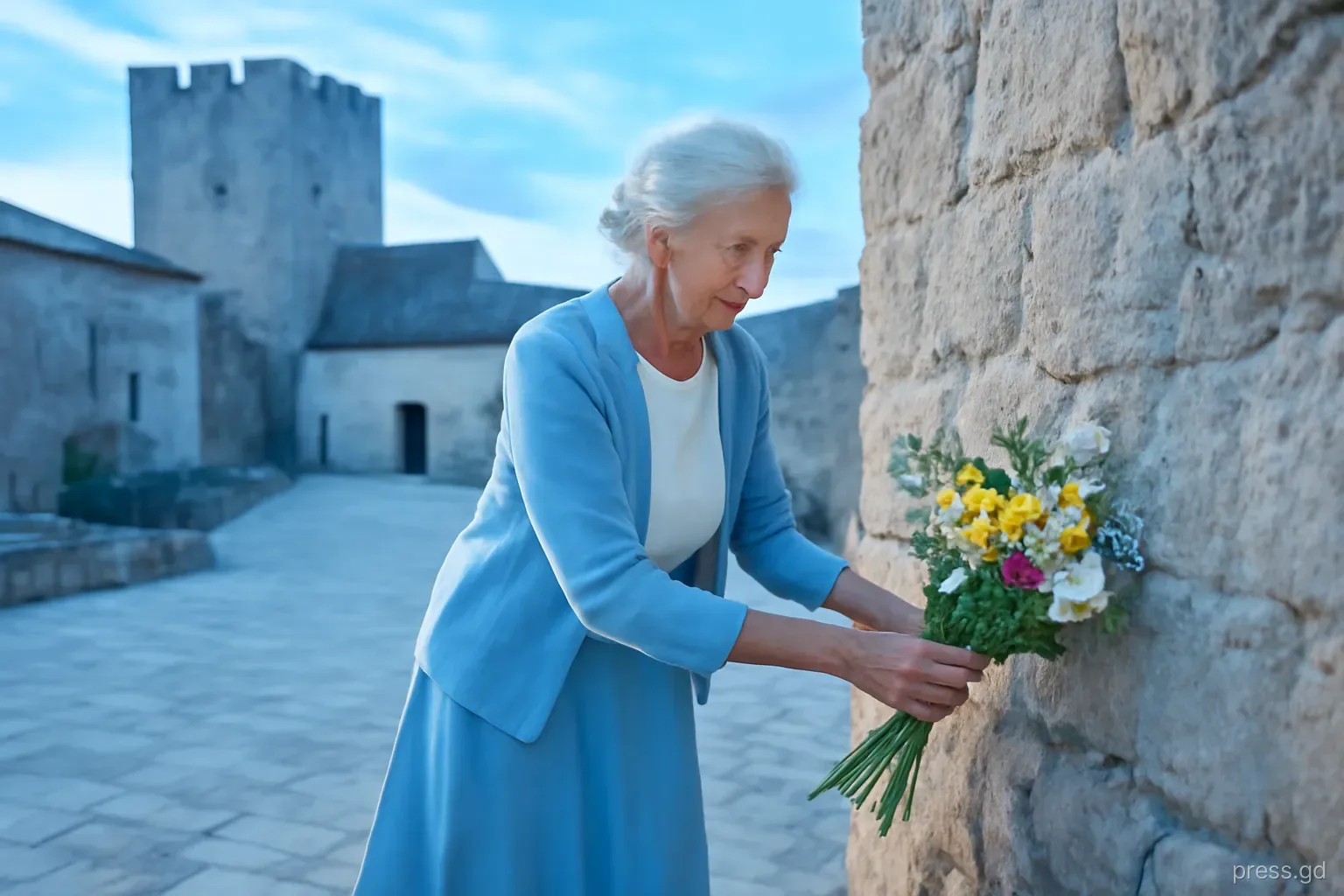
Leapers' Hill sits behind St Patrick's Roman Catholic Church in Sauteurs, with a viewing area and a small visitor facility that has had different operators over the years, so check access arrangements locally. The view north takes in the Grenadine islands, with Levera and the northern coastline to the east. The site has become a place of remembrance for Grenada's indigenous past, with commemorative events organised around it, and is central to efforts to give the Kalinago a more visible place in national memory.
Since the 2000s there has been renewed interest in Grenada's indigenous heritage, including commemorations that bring Kalinago representatives from Dominica and St Vincent, and debates about how the site should be interpreted for visitors. Those debates echo questions asked across the Caribbean: whose history is told at a site of colonial violence, in whose words, and with what respect for the people who died there.
For a visitor, the most useful approach is to go knowing the story is both documented and contested in its details, and to treat the headland as a memorial rather than a viewpoint. Sauteurs is about an hour or more by road from St George's depending on the route and traffic, and is reached by the public buses that serve the north of the island.
Names, places and dates worth knowing
Much of the confusion around Leapers' Hill comes from mixing up names and places. These are the reference points that recur in the sources and in school accounts:
- Camáhogne: the name usually given for Grenada in Kalinago usage, recorded by Europeans in several spellings.
- Jacques Dyel du Parquet: French governor of Martinique who led the 1650 settlement and the campaign against the Kalinago.
- Kairouane: Kalinago leader named in French accounts of the first agreement with the settlers.
- Fort Royal: the early French post on the harbour at St George's, ancestor of today's Fort George.
- Le Morne des Sauteurs: the French name for the headland, from which the town of Sauteurs takes its name.
- St Patrick: the northern parish in which Sauteurs and Leapers' Hill lie, with Levera, River Sallee and the Grenadine views to the north.
- 1609: the failed English attempt at a settlement, often forgotten in short histories.
- 1650 or 1651: the date range given for the attack at Sauteurs, depending on the source.
Why the story still matters in Grenada
Leapers' Hill carries weight beyond its historical detail because it raises questions that run through the whole of Grenadian history: conquest, resistance and who controls the telling of the past. Grenada's later history was largely written by planters, governors and colonial officials, and the experiences of the enslaved majority, like those of the Kalinago, survive mostly through what others chose to record. Reading the 1650 sources carefully is a useful habit for every later period too.
The site also anchors a broader effort to make the indigenous past visible in a country where most people trace their ancestry to Africa, with Indian, European and mixed heritage as well. Petroglyph sites, museum collections and archaeological work in places such as Pearls in St Andrew all form part of that picture. Leapers' Hill is the most emotional of them, but it is one chapter in a much longer indigenous history.
Frequently asked questions
Did the Kalinago really jump from Leapers' Hill?
French accounts from the period describe Kalinago people leaping from the cliff to avoid capture after a surprise attack, and later tradition accepts this. Because every surviving account is French, details such as numbers and exact circumstances cannot be independently confirmed, but the event itself is widely accepted by historians.
What year did the Leapers' Hill massacre happen?
Most sources place it in 1650, shortly after the French under Jacques du Parquet began settling Grenada. Some accounts give 1651. The difference reflects uncertainty in the colonial chronicles about the order of raids in the north of the island.
Who was Kairouane?
Kairouane is the name French sources give to a Kalinago leader who reached an agreement with du Parquet in 1650 to share the island. The agreement broke down quickly as settlement spread and fighting began. Little is known about him beyond these colonial references.
Are there Kalinago people in Grenada today?
There is no distinct Kalinago community on Grenada today, although some Grenadians have indigenous ancestry. Organised Kalinago communities survive on Dominica, and Kalinago representatives from the region have taken part in commemorations in Grenada in recent years.
Is Leapers' Hill open to visitors?
The site behind the Roman Catholic church in Sauteurs can be visited, and there has been a visitor facility and viewing area. Arrangements and any entry charge have changed over time, so it is sensible to check locally before travelling to the north of the island.