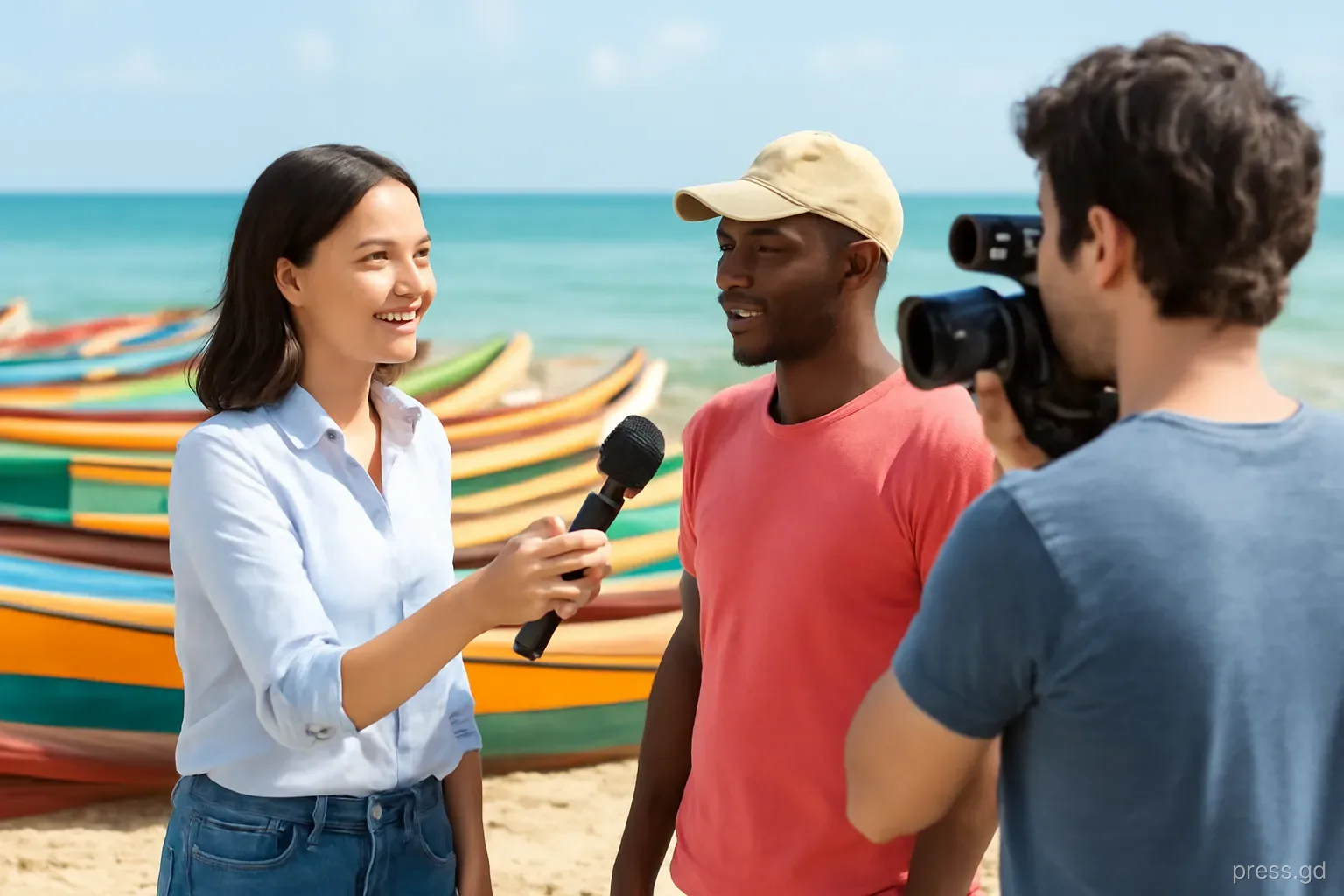

In Grenada, news of a road accident on the Grand Etang road or a fire in Grenville often reaches people first as a WhatsApp voice note, forwarded from one group to another before any reporter arrives. A Cabinet decision may be discussed in Facebook comments before the official release is published. For a growing share of Grenadians, especially younger people and those abroad, social media is now the main door to the news.
This shift has made information faster and more participatory. It has also made rumours spread faster, blurred the line between journalism and opinion, and put new pressures on professional outlets. This explainer looks at how online news works in Grenada, the problems it creates, and practical ways to check what lands on your phone.
Why social media took over so quickly
Mobile phone use is near universal in Grenada, and data plans from the main telecom providers have made smartphones the default way to go online. Facebook became the dominant platform for sharing news and opinion, while WhatsApp became the everyday messaging tool for families, churches, workplaces, sports clubs and villages.
The structure of Grenadian society helps explain the speed. Communities are tightly connected, and many people belong to several overlapping groups. A message posted in one family group can reach hundreds of people in minutes as members forward it to others. The diaspora in New York, Toronto and London is woven into the same networks, so local news travels abroad and back almost instantly.
Traditional media adapted by moving onto the same platforms. Radio stations stream talk shows live on Facebook, newspapers post stories, and the Government Information Service, the police and the National Disaster Management Agency use social media to issue updates. As a result, official, professional and informal content now sit side by side in the same feed.
The main online sources
Online news sites. NOW Grenada and the websites of established newspapers and broadcasters publish daily news, press releases and commentary. Their articles are widely shared on social media.
Facebook pages. Pages run by media outlets, community groups, political supporters and individuals post news, photos and videos. Some are professional; others are personal projects with no editorial checks.
WhatsApp groups. Voice notes, photos, screenshots and forwarded messages circulate in private groups. They are fast and trusted because they come from people you know, which is precisely why false information spreads through them so effectively.
Live streams. Parliament sittings, press briefings, funerals, church services, sports events and Spicemas shows are streamed live, letting people at home and abroad follow events directly.
Official accounts. Government agencies, the police and disaster officials post notices and warnings. These are the authoritative sources in emergencies, though their posts compete with unofficial content for attention.
When rumours outrun facts
The weaknesses of social news showed clearly during the COVID-19 pandemic, when false claims about cures, vaccines and lockdown rules circulated widely in Grenada as elsewhere. Health officials spent considerable effort countering misleading voice notes and posts, some of which originated overseas and were adapted to sound local.
Hurricane Beryl in July 2024 produced a different problem. With communications to Carriacou and Petite Martinique severely disrupted, families desperate for news turned to any source they could find. Some posts were accurate eyewitness accounts; others were unverified rumours about deaths, aid or evacuation. Official updates, when they came, had to compete with information that had already spread.
Political seasons generate their own share of misleading content: doctored images, quotes taken out of context and anonymous allegations. Because many people share without reading closely, a misleading headline can travel further than the correction that follows.
How to check what lands on your phone
A few habits sharply reduce the chance of being misled or of spreading something false.
- Ask where it came from. A forwarded voice note with no named speaker or a screenshot with no source deserves caution. Trace it back if you can.
- Look for official confirmation. For emergencies, check the National Disaster Management Agency, the police or the relevant ministry. For government decisions, check the Government Information Service.
- Check professional outlets. If something significant has happened, established news sites and broadcasters will usually report it. Silence from all of them is a warning sign.
- Examine images. Photos and videos are often recycled from old events or other countries. A reverse image search can reveal their origin.
- Watch for emotional triggers. Messages designed to make you angry or afraid, urging you to share immediately, are more likely to be false or misleading.
- Pause before forwarding. If you cannot confirm a claim, do not pass it on, especially if it names a person or concerns safety.
What it means for professional journalism
Social media has reshaped the economics of Grenadian journalism. Advertising money that once went to newspapers and radio now flows partly to global platforms. Outlets that post their work free on Facebook gain audience but struggle to turn it into revenue. Speed has become a competitive pressure, sometimes at the expense of checking.
At the same time, online tools have helped reporters gather information, reach sources and distribute stories. Live streaming allows small outlets to broadcast events at low cost. Comments and shares show what audiences care about, and readers often supply tips, photos and video.
Legal risks have followed the shift. Defamation law applies to Facebook posts and WhatsApp messages as much as to newspapers, and individuals as well as outlets can be sued. The 2014 amendment to the Electronic Crimes Act removed a broadly worded offence on offensive messages, but other laws on harassment and threats still apply online.
The diaspora as audience and source
Grenadians living abroad are a large part of the online news audience. Members of communities in Brooklyn, Toronto and London follow Grenadian outlets daily, comment on stories, join village and school WhatsApp groups and watch live streams of funerals, church services and Carnival events. For many, this is how they maintain a connection to home.
The diaspora also produces and shapes news. Commentators abroad run pages and podcasts about Grenadian politics, sometimes with large followings. Remittance-funded projects, hurricane relief drives and alumni associations publicise their work online. During crises such as Hurricane Beryl, diaspora groups organised collections and shared information about relatives, becoming both sources and amplifiers.
This creates a news conversation that is not bounded by the island. Debates about Grenadian policy happen in comment threads between people in St Andrew and people in Queens, and political parties court overseas supporters online. Journalists increasingly consider that audience when deciding what and how to publish, and some outlets time their posts to reach readers in North American and British time zones as well as at home.
Mistakes people make online
Some common habits turn ordinary users into unwitting publishers of falsehoods or legal risks. Most come from good intentions, such as wanting to warn others quickly, but the consequences can be serious.
- Sharing images of victims. Posting photos of accident or crime victims before families are informed causes great distress and is widely condemned.
- Naming suspects. Identifying someone as guilty of a crime before charges or a verdict can be defamatory and may prejudice a trial.
- Trusting screenshots. Screenshots of supposed official letters or messages are easily faked. Look for the original.
- Assuming private groups are private. WhatsApp messages are routinely forwarded beyond the group they were posted in, so anything posted should be something you would be comfortable seeing on the radio.
- Reposting old warnings. Storm alerts, missing person appeals and road closure notices often keep circulating long after they are resolved. Check the date before sharing.
Frequently asked questions
Where do most Grenadians get their news today?
Radio remains important, but Facebook pages, WhatsApp groups and online news sites have become major sources, especially for younger people and the diaspora. Many people combine them, hearing about a story on WhatsApp and then checking radio or an online outlet.
How can you check if a WhatsApp message about Grenada is true?
Look for the original source, check official channels such as the Government Information Service, the police or NaDMA, and see whether established news outlets have reported it. If it cannot be confirmed, avoid forwarding it, especially if it names people or concerns safety.
Can you be sued for a Facebook post in Grenada?
Yes. Civil defamation law applies to social media posts, so publishing false statements that damage someone's reputation can lead to a lawsuit. Laws on threats and harassment also apply online, even though criminal libel was abolished in 2012.
Which online news sites cover Grenada?
NOW Grenada is one of the most established online outlets, and the main newspapers and broadcasters also publish news on their websites and social media pages. The Government Information Service posts official releases. Check several sources for important stories.
Where should you look for official information during a hurricane?
Follow the National Disaster Management Agency, the meteorological service and the Government Information Service on radio and their official social media pages. Keep a battery radio as well, because mobile networks and electricity can fail during a storm.