Ask Grenadian journalists how they entered the profession and the answers vary widely: a talk show caller who impressed a station manager, a school leaver who started reading the news on radio, a university graduate in communications, a teacher who began writing columns. There is no single route, and many working journalists learned on the job in newsrooms of only a handful of people.
This explainer looks at what the work involves, how people train, the pressures particular to reporting in a small island state, and where media careers can lead. It is aimed at young Grenadians considering the field, at people moving to Grenada with media experience, and at anyone curious about who produces the news they consume.
What the job actually involves
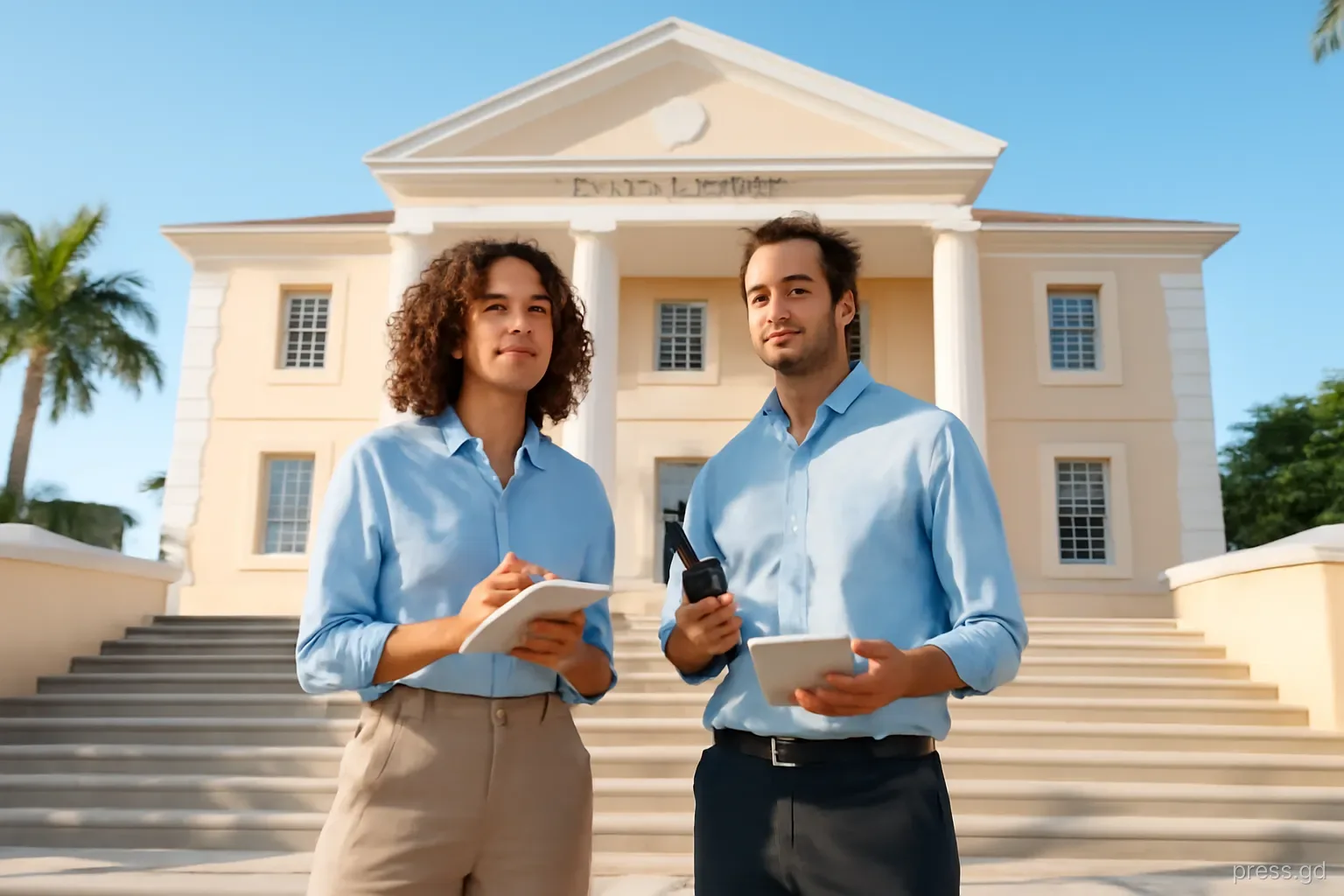
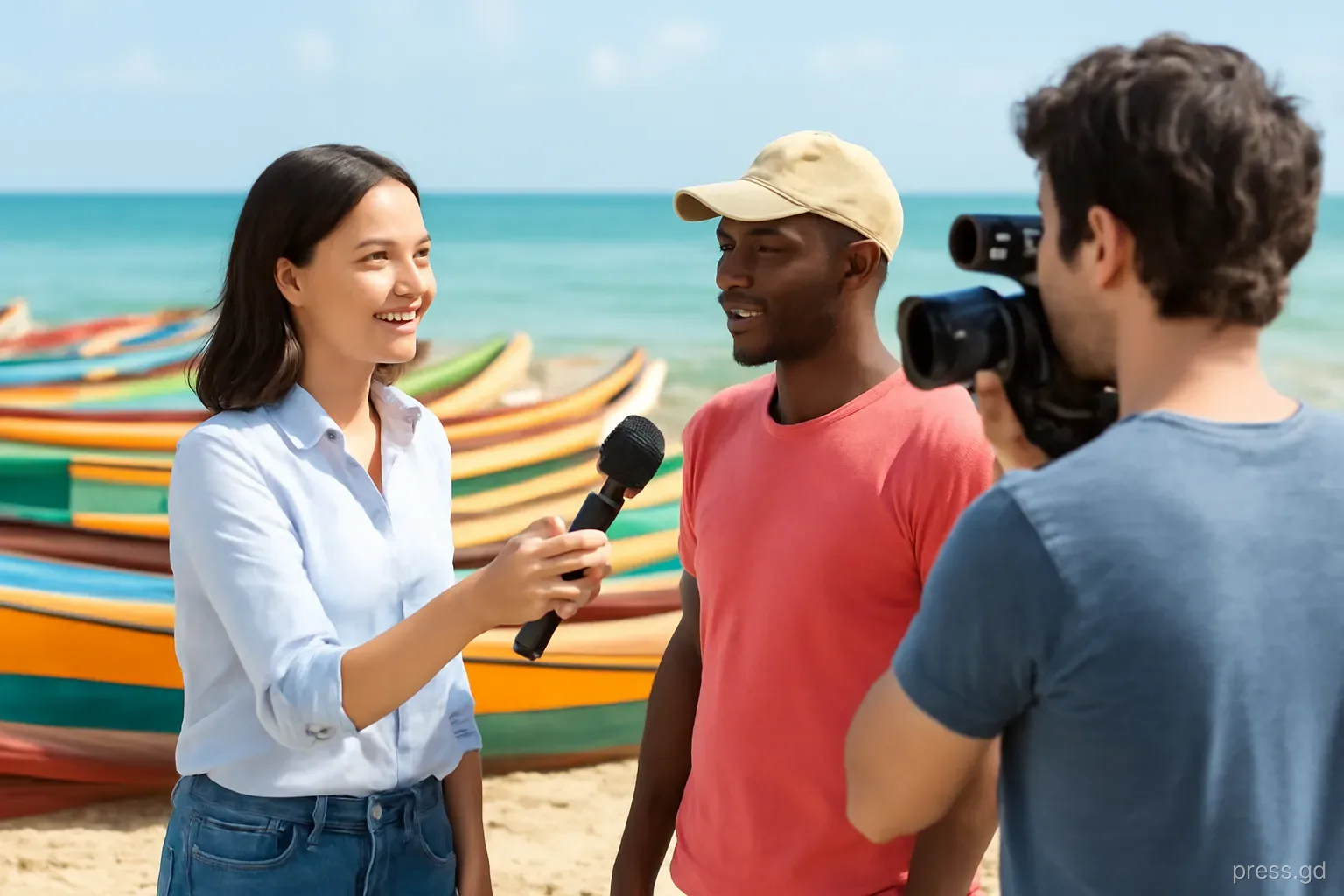
Grenadian newsrooms are small, so journalists are generalists. In a single day a reporter might cover a court hearing in the morning, a ministry press conference at lunchtime and a community event in the evening, then write for the web, record a radio report and shoot video for social media. Specialist beats such as health, business or environment exist mainly in the sense that individual reporters develop interests over time.
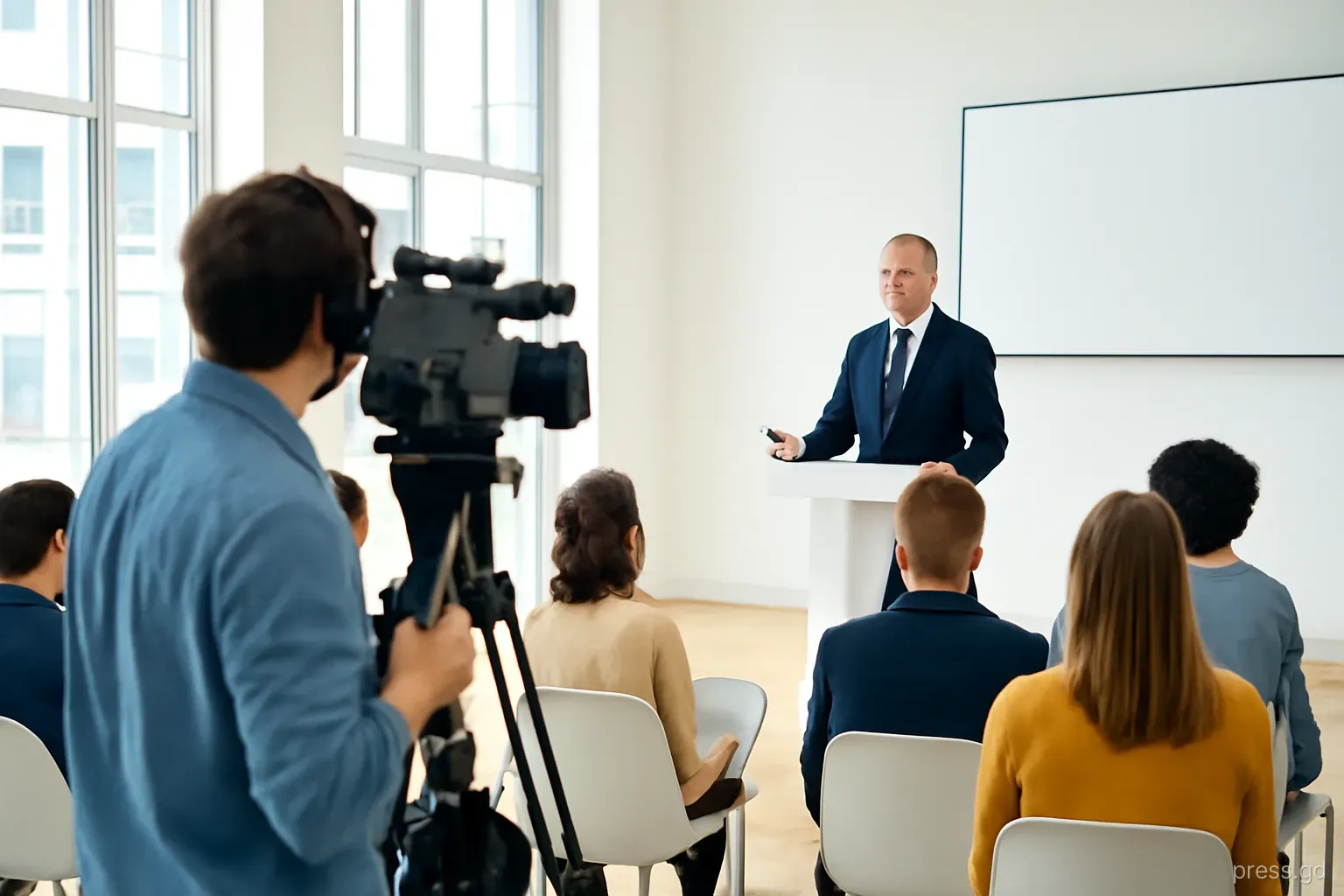
Broadcast roles include news reading, presenting talk shows, producing programmes and working behind the camera or at the mixing desk. Print and online roles involve reporting, editing, layout and managing social media. In many outlets the same people move between these roles as needed.
Hours are irregular. News does not stop for weekends, and events such as elections, budget debates, Spicemas and hurricanes demand long days. Reporters also need to know many people across government, business, churches, sport and communities, because personal contacts are often the fastest route to information in a small society.
Equipment is often basic. Reporters commonly rely on their own phones for recording, photography and video, and on personal vehicles or route buses to reach assignments in St Patrick, St Andrew or St David. Covering Carriacou and Petite Martinique usually means a ferry or flight, so stories there are reported less often than their importance deserves. Resourcefulness is a core professional skill.
Routes into the profession
University study. The Caribbean Institute of Media and Communication, known as CARIMAC, at the University of the West Indies Mona campus in Jamaica, is the best-known regional school for journalism and communication. Other students study communications or related subjects at universities in North America and the United Kingdom.
Local and online courses. Short courses and workshops are offered from time to time by media organisations, regional bodies and international partners. The University of the West Indies Open Campus and other providers offer distance-learning options.
Learning on the job. Many Grenadian journalists began as interns, assistants or contributors and learned from experienced colleagues. Radio stations in particular have long served as training grounds.
Moving across from other fields. Teachers, lawyers, economists and activists sometimes become columnists or commentators, bringing specialist knowledge to the media.
Skills that newsrooms look for
Strong writing in clear standard English remains essential, along with the ability to understand and translate local speech accurately when quoting. Broadcasting requires a clear voice and the confidence to think on air. Increasingly, employers expect journalists to shoot and edit video, take usable photographs, manage social media accounts and produce content for several platforms at once.
Understanding how government works is just as important: how Parliament passes laws, how the budget is structured, how courts operate and what different ministries do. Reporters who can read a budget document, a court judgment or an audit report and explain it in plain language are valuable in any newsroom.
Legal awareness protects both the journalist and the outlet. Knowing the basics of defamation, contempt of court and copyright, and the standards of fairness expected in reporting, prevents mistakes that can be costly in a small market where one lawsuit can threaten an outlet's survival.
Numeracy is an underrated skill. Stories about debt, budgets, prices, crime figures and election results all involve numbers, and misreading a percentage or confusing EC and US dollars can undermine an otherwise strong report. Reporters who check calculations, give figures context and cite the source of every statistic stand out quickly.
Pressures particular to a small island
Reporting in a country of little more than 100,000 people has unique challenges. Journalists frequently know the subjects of their stories, or their families, personally. A critical report about a minister, business owner or police officer can strain relationships at church, in the village or within the reporter's own family. That closeness can encourage self-censorship.
Political labelling is another pressure. Journalists are quickly identified with one party or another, sometimes on the basis of a single story or the outlet they work for. That label can follow them, affecting access to sources and how their work is received.
Economic insecurity compounds these pressures. Many outlets are small businesses with limited resources, and pay in the field is generally modest compared with other professions requiring similar skills. Some journalists combine media work with other jobs or freelance for regional outlets. Online harassment, especially of women journalists, has become a further concern.
Freelancing and reporting for regional outlets
Because Grenada's domestic market is small, many journalists supplement their income by working as stringers or freelance correspondents for regional organisations. The Caribbean Media Corporation, based in Barbados, and other regional broadcasters and publications use correspondents across the islands to file news, features and broadcast reports. That work raises a reporter's profile and brings in foreign-currency income.
Freelancing has its own challenges. Pay is usually per story, irregular and modest, and freelancers carry their own costs for equipment, transport and data. They may lack the legal support that a larger organisation provides if a story leads to a complaint or lawsuit.
Digital platforms have opened further options: podcasts, YouTube channels and independent news pages allow individuals to build audiences without working for an established outlet. Some of these projects are serious journalism; others are commentary. Building credibility independently takes time, consistent accuracy and a reputation for fairness.
Professional bodies and ethics
Several organisations support journalists and promote standards, though membership is voluntary and there is no statutory licensing of journalists in Grenada.
- Media Workers Association of Grenada. The MWAG represents journalists and other media workers, speaks on press freedom issues and organises training and events, including activities around World Press Freedom Day.
- Association of Caribbean MediaWorkers. The ACM is a regional body that brings together national associations, campaigns on press freedom and runs training programmes.
- International organisations. Groups such as the International Press Institute monitor laws and incidents affecting journalists and have engaged with Grenada on issues including criminal libel and cybercrime legislation.
- Ethical standards. Journalists are expected to report accurately, seek responses from those criticised, distinguish fact from opinion, protect confidential sources where appropriate and correct errors promptly.
Where media careers lead
Senior editorial roles. Experienced journalists may become editors, news directors or programme managers, shaping coverage and mentoring younger colleagues.
Public relations and communications. Many journalists move into communications roles in government ministries, statutory bodies, the private sector, regional organisations and non-governmental organisations, where pay and job security are often better.
Regional and international outlets. Some Grenadian journalists work for regional news organisations or international outlets, either from Grenada as correspondents or after moving abroad.
Politics and public life. As in Marryshow's day, journalism remains a route into politics and public service for some, which reinforces public perceptions of links between media and parties.
Teaching and training. Experienced practitioners sometimes teach communications courses, run workshops for younger colleagues or train staff in government and business on media relations, passing on skills that are otherwise learned slowly on the job.
Frequently asked questions
Do you need a degree to be a journalist in Grenada?
No formal qualification is required, and many Grenadian journalists learned on the job. A degree in journalism or communications, such as those offered by CARIMAC at UWI Mona, can help, along with strong writing, broadcasting and digital skills.
Where can Grenadians study journalism?
The Caribbean Institute of Media and Communication at the University of the West Indies Mona campus in Jamaica is the main regional option. Distance learning through UWI Open Campus and universities abroad, plus short workshops offered locally, are other routes.
Is there a journalists' association in Grenada?
Yes. The Media Workers Association of Grenada represents journalists and media workers, comments on press freedom matters and organises training. It is linked regionally with the Association of Caribbean MediaWorkers, which coordinates national associations across the Caribbean.
Are journalists licensed in Grenada?
No. There is no statutory licensing of journalists. Broadcasting stations require licences to use the airwaves, but individuals working as reporters, editors or presenters do not need official accreditation, though access to some official events may require media passes.
What are the biggest challenges for Grenadian journalists?
Common challenges include small newsrooms with limited resources, modest pay, political labelling, the social pressures of reporting in a close-knit society, legal risks from civil defamation and online harassment, especially of women in the profession.