
Grenadian teenagers today are connected to the world in ways their parents could not have imagined. They follow global music and fashion on their phones, chat daily with relatives in New York and Toronto, and compare their prospects with peers across the region. At the same time, they grow up in a small economy where good jobs are limited, where the step from school to stable work can take years, and where emigration is a constant option.
Youth issues regularly feature in Grenadian politics, from unemployment to crime to education reform. This explainer looks at the path young people take through school and training, the job market they enter, government programmes aimed at them, the culture they create, and the pressures and opportunities shaping their choices.
The path through school
Most Grenadian children move through primary school to the Caribbean Primary Exit Assessment, which helps determine placement in secondary schools. At secondary level, students prepare for Caribbean Secondary Education Certificate examinations, set by the regional Caribbean Examinations Council, which open doors to further study and many jobs.
After secondary school, options include T.A. Marryshow Community College, which offers academic and technical programmes; the University of the West Indies Open Campus; St. George's University, mainly known for its international medical and veterinary schools but also offering other programmes; and study abroad, often supported by scholarships or family abroad.
Not all young people follow the academic route. Technical and vocational education and training, known as TVET, offers certification in trades such as construction, electrical work, hospitality, cosmetology and agriculture, increasingly through regional qualifications. Debates continue about how to make vocational paths as respected as academic ones, a challenge common across the Caribbean.
The job market young people enter
Youth unemployment has long been significantly higher than overall unemployment in Grenada, as in much of the region. Exact rates vary with economic conditions and survey timing; the Central Statistical Office's labour force surveys are the official source. The underlying issue is structural: a small economy creates a limited number of new jobs each year, and many entry-level positions are in tourism, retail and public service.
Tourism offers work in hotels, restaurants, water sports and transport, but jobs are often seasonal, and pay at the lower end is modest. The public sector remains an important employer and is valued for stability, though opportunities depend on government budgets. Construction rises and falls with major projects. Agriculture and fishing offer self-employment but are often seen by young people as hard, uncertain and poorly paid.
Employers frequently mention a gap between the skills young people have and those they need, particularly in technical fields, customer service and digital skills. Young people, for their part, cite a lack of entry-level opportunities, low starting wages and the importance of personal connections in getting hired.
Government programmes aimed at youth
The New IMANI Programme. Launched in 2014, it places young people in training and work-experience positions with private businesses and public bodies, with a stipend. It continued under later governments, with oversight linked to the National Training Agency, and recent phases have focused on moving trainees into permanent jobs at their placement sites.
National Training Agency. Oversees TVET standards and certification, including Caribbean Vocational Qualifications, helping young people gain recognised credentials in trades.
Ministry responsible for youth. Runs youth development programmes, leadership training, youth councils and support for youth organisations, and works with sports bodies.
Small business support. Agencies supporting entrepreneurship offer training, mentoring and access to small loans, sometimes targeted at young people starting businesses.
Scholarships. Government and private scholarships help students pursue tertiary education at home and abroad, often in areas considered national priorities.
Sport, music and youth culture
Sport is a major part of youth life and a source of national pride. Kirani James, who won Olympic gold in the 400 metres in 2012, and Anderson Peters, a world champion in the javelin, showed young Grenadians that global success is possible from a small island. Cricket, football, netball, basketball and athletics are popular, and inter-school sports competitions draw large crowds.
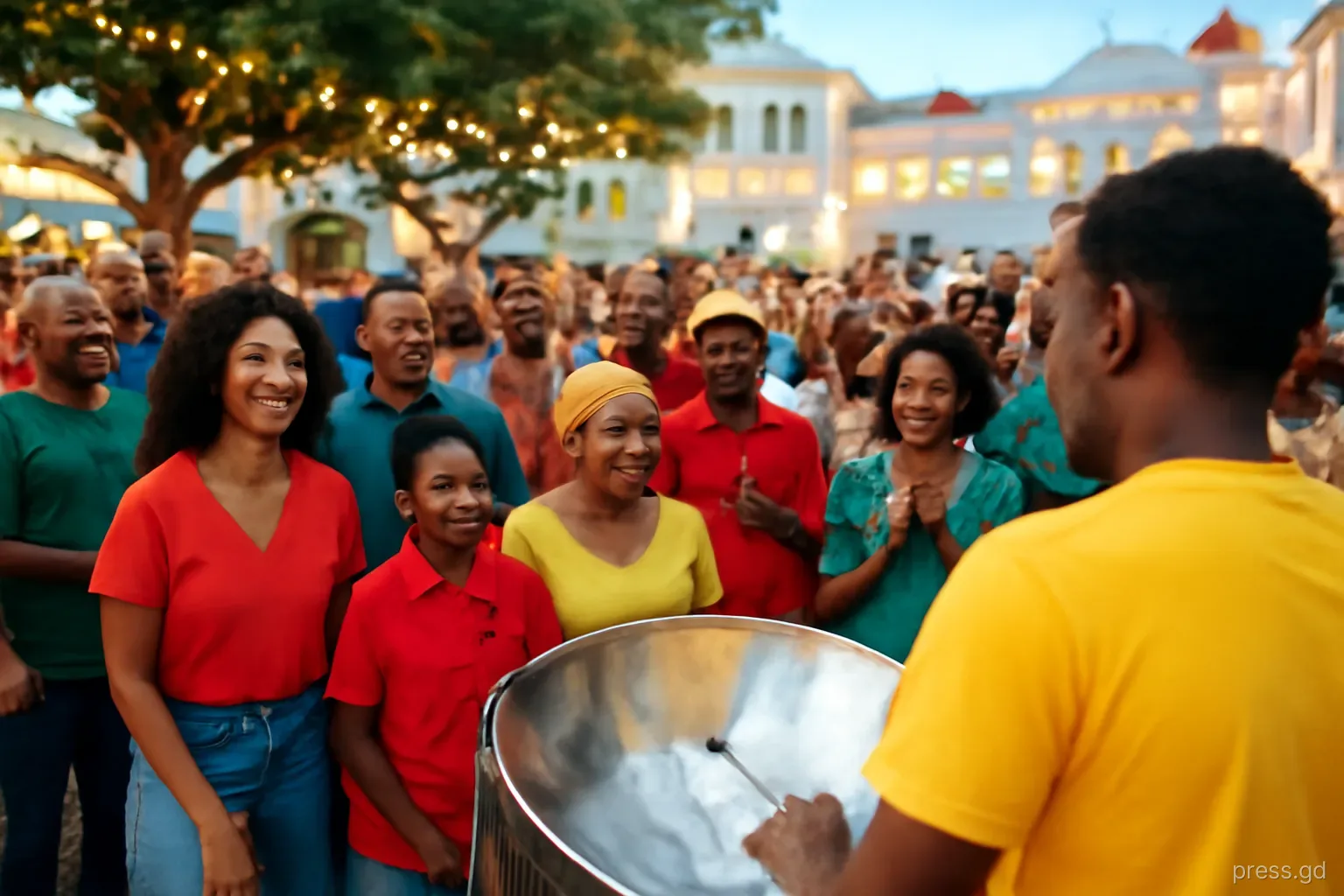
Music is equally central. Soca, especially the high-energy style associated with Grenada's Spicemas carnival in August, gives young artists a stage, and competitions such as soca monarch and calypso contests create local celebrities. Dancehall, hip-hop, gospel and steel pan all have strong followings, and steel pan bands provide a structured activity for many young people.
Social media has created new opportunities: young content creators, musicians, designers and entrepreneurs use it to reach audiences and customers beyond Grenada. It has also brought new pressures, from online bullying to the spread of misinformation.
Pressures young people face
Alongside opportunities, youth workers, teachers and parents commonly highlight several concerns:
- Long transitions to work, with years of temporary or informal jobs before stable employment.
- Cost of independence: rents, land prices and building costs make it hard to move out of the family home.
- Crime and violence: while Grenada is generally considered safe by regional standards, some young men are affected by crime as victims or offenders, and incidents involving youth attract public concern.
- Mental health: stigma around seeking help and limited specialist services make it harder for young people to access support.
- Teenage pregnancy, which affects education and careers, and has been the focus of health and education programmes.
- The pull of emigration, which leaves many young people planning for a future elsewhere even while studying at home.
What shapes their choices
For many young Grenadians, the key decision is whether to build a future at home or abroad. Those with qualifications in nursing, teaching, information technology or engineering often have realistic options overseas, and family networks make the move easier. Others choose to stay because of family ties, a love of island life or opportunities in a growing sector such as tourism or construction.
Entrepreneurship is increasingly attractive: small food businesses, beauty services, tour operations, agro-processing and online sales let young people create their own jobs. Access to finance, land and markets remains a barrier, and many small businesses operate informally.
Youth voices are heard through youth councils, student unions, church groups and social media. Political parties court young voters, and youth issues feature prominently in election campaigns. Whether policy translates into enough decent jobs to keep talented young people at home is one of the central questions for Grenada's future.
Mistakes adults make when talking about youth
Treating young people as a problem. Coverage of youth often focuses on crime or unemployment, overlooking the many young Grenadians who volunteer, study, run businesses and lead community groups.
Assuming all youth want the same thing. A teenager in Grenville, a graduate in St George's and a young fisher on Petite Martinique face different realities and have different ambitions.
Ignoring their voice in policy. Programmes designed without consulting young people risk missing what they actually need, from flexible training schedules to transport costs.
Blaming emigration on lack of loyalty. Young people respond to opportunity. Better pay, conditions and career paths at home do more to keep talent than appeals to patriotism.
Forgetting the role of adults. Mentoring, apprenticeships and a willingness by employers to take on inexperienced workers shape youth outcomes as much as any government programme.
Youth on Carriacou and Petite Martinique
Young people on the sister islands face the same broad issues with added constraints. Secondary schooling is available on Carriacou, but most tertiary study and many training programmes require moving to the mainland or abroad. Job options on the islands centre on fishing, boatbuilding, small tourism businesses, construction and public service, so many young people leave after school.
Hurricane Beryl in July 2024 sharpened these pressures. Schools, homes and workplaces were damaged or destroyed, and some families relocated, at least for a time. Reconstruction has created construction work and new training needs, but it has also interrupted education and community life for many young people.
At the same time, island traditions give young people strong identities: boat launching, Big Drum, Shakespeare Mas on Carriacou and the seafaring culture of Petite Martinique all depend on young participants to continue, and community groups often see youth involvement as a measure of the islands' future.
Frequently asked questions
Is youth unemployment high in Grenada?
Youth unemployment has historically been significantly higher than the overall unemployment rate, as in much of the Caribbean. Rates change with economic conditions, so the Central Statistical Office's labour force surveys are the best source for current figures.
What is the New IMANI Programme?
It is a government youth programme launched in 2014 that provides training and work-experience placements with a stipend. It has continued under later governments, with recent phases focusing on transitioning trainees into permanent jobs at their placement sites.
What options do young people have after secondary school?
Common paths include T.A. Marryshow Community College, the UWI Open Campus, St. George's University, vocational training through TVET programmes and study abroad. Many young people combine study with part-time work.
Which sports are most popular with young Grenadians?
Athletics, cricket, football, netball and basketball are among the most popular. The international success of athletes such as Kirani James and Anderson Peters has strengthened interest in track and field events.
Do most young Grenadians want to emigrate?
Many consider it, especially those with qualifications in demand abroad and relatives overseas. Others prefer to stay for family, lifestyle or local opportunities. Choices depend heavily on the job market and personal circumstances.
Where can young people get vocational qualifications in Grenada?
TVET programmes are offered through T.A. Marryshow Community College, skills training centres and approved providers, with standards and certification overseen by the National Training Agency, including regional Caribbean Vocational Qualifications.